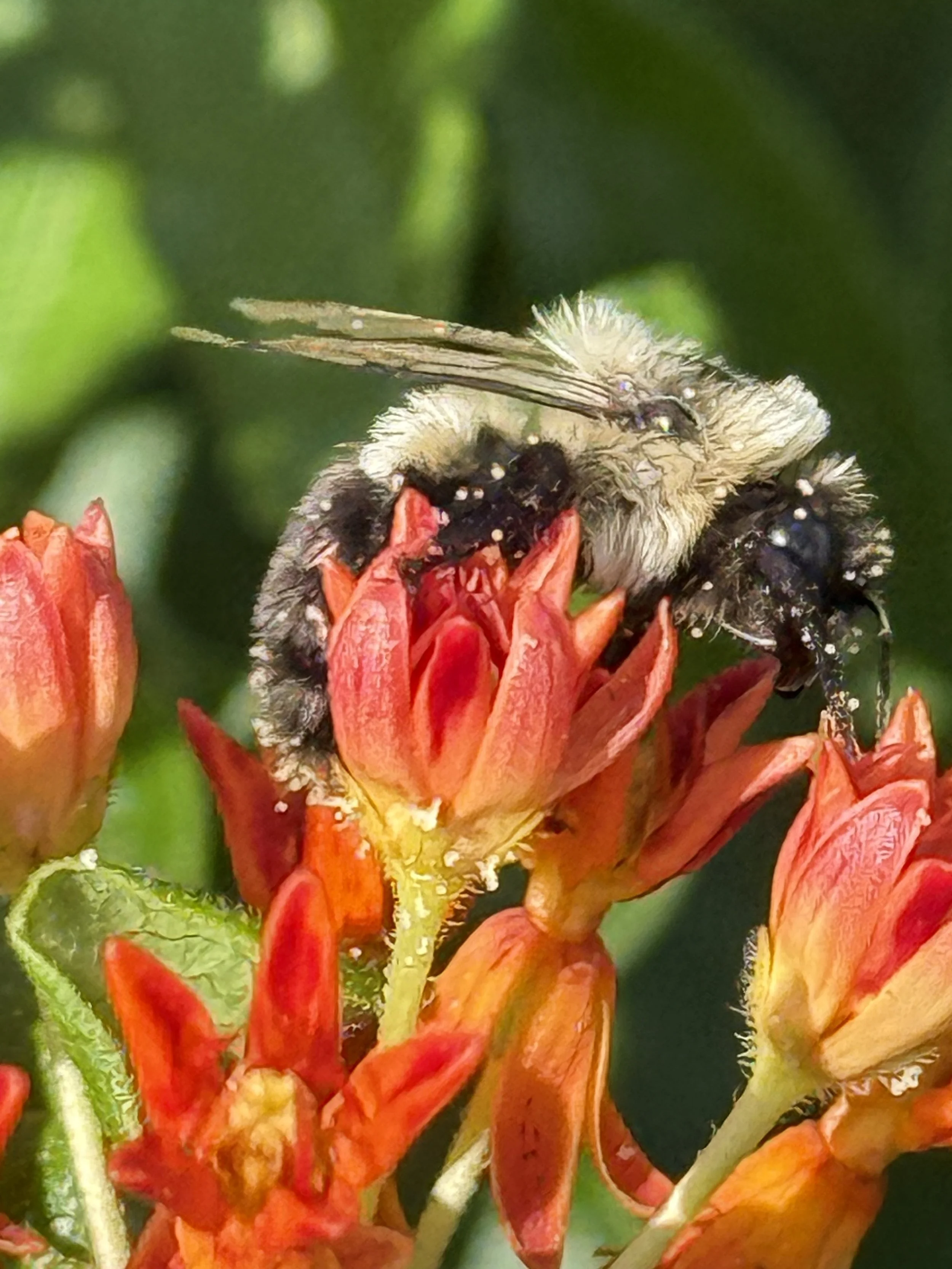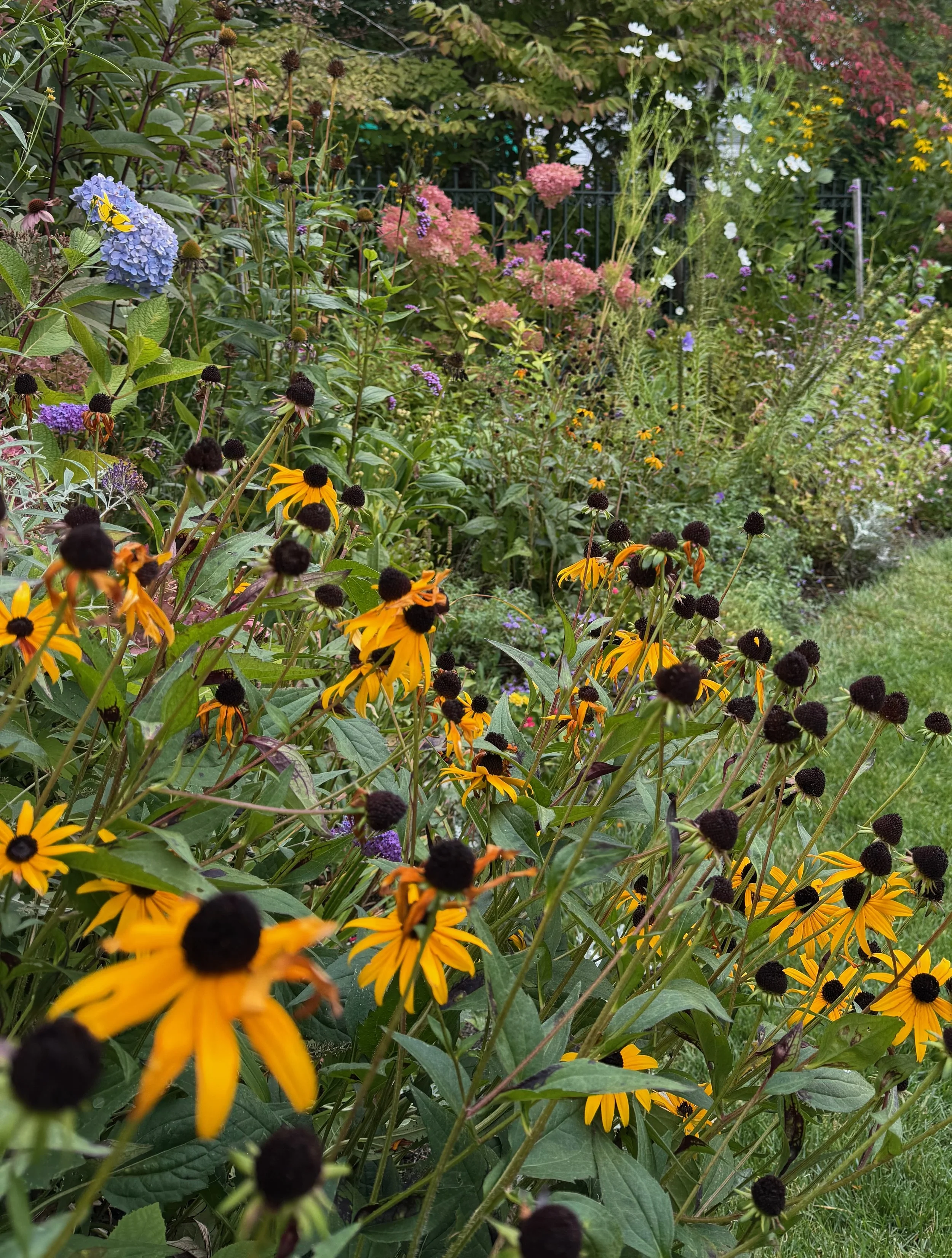
Every garden can become habitat.
Every landscape can support life.
Together we can restore the small pieces of nature that allow pollinators and people to thrive.
Let’s Invite Nature Into the Garden
At Wild Harmony Gardens, we believe gardens are more than decoration.
They are places where nature returns.
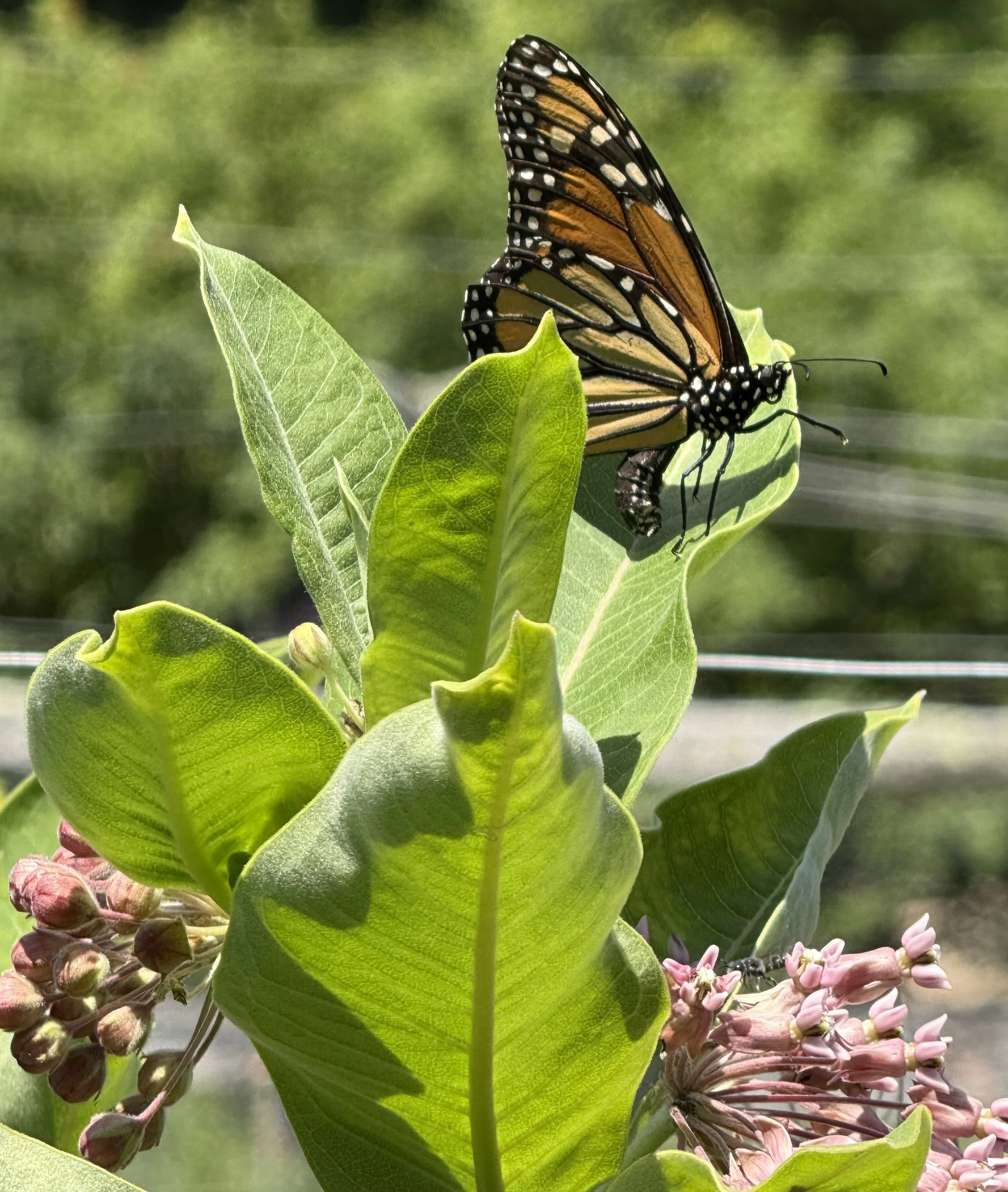
A single patch of milkweed can bring monarch butterflies.
A few native flowers can support hundreds of pollinators.
A thoughtfully designed landscape can reconnect people with the living world.
Our work blends artful garden design with ecological restoration, creating spaces that are both beautiful and alive.
When the right plants are planted, something remarkable happens:
Nature finds its way back.
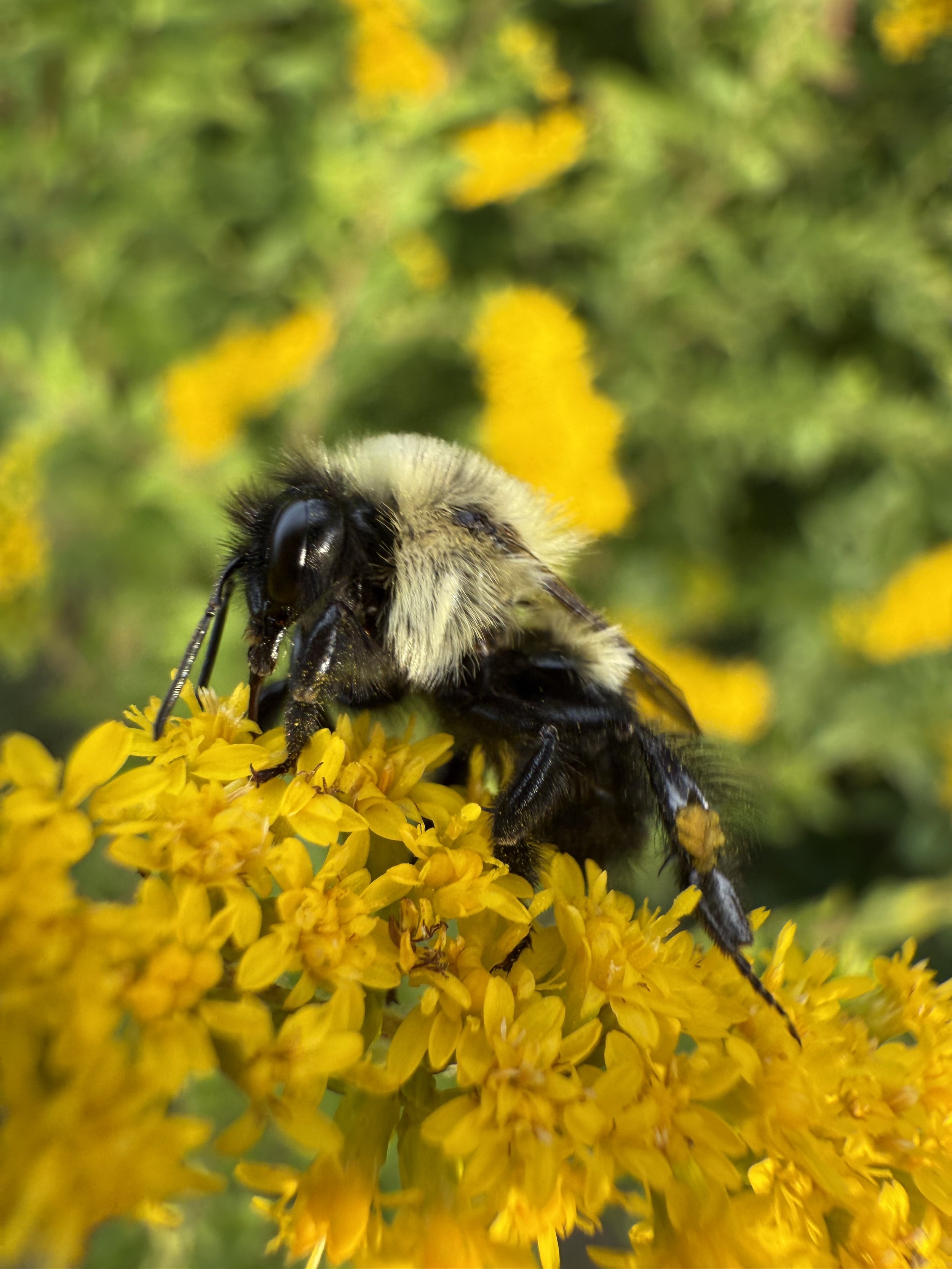
Small changes create big ecological impact.
Many landscapes today are beautiful but ecologically empty, with lawns, mulch beds, and ornamental plants that provide little food for wildlife.
Native plants restore the missing pieces of the ecosystem.
When you plant native species:
bees find pollen and nectar
monarch butterflies find milkweed
birds find insects to feed their young
the landscape becomes alive again
Nature is resilient.
When we plant habitat, life returns quickly and effortlessly.
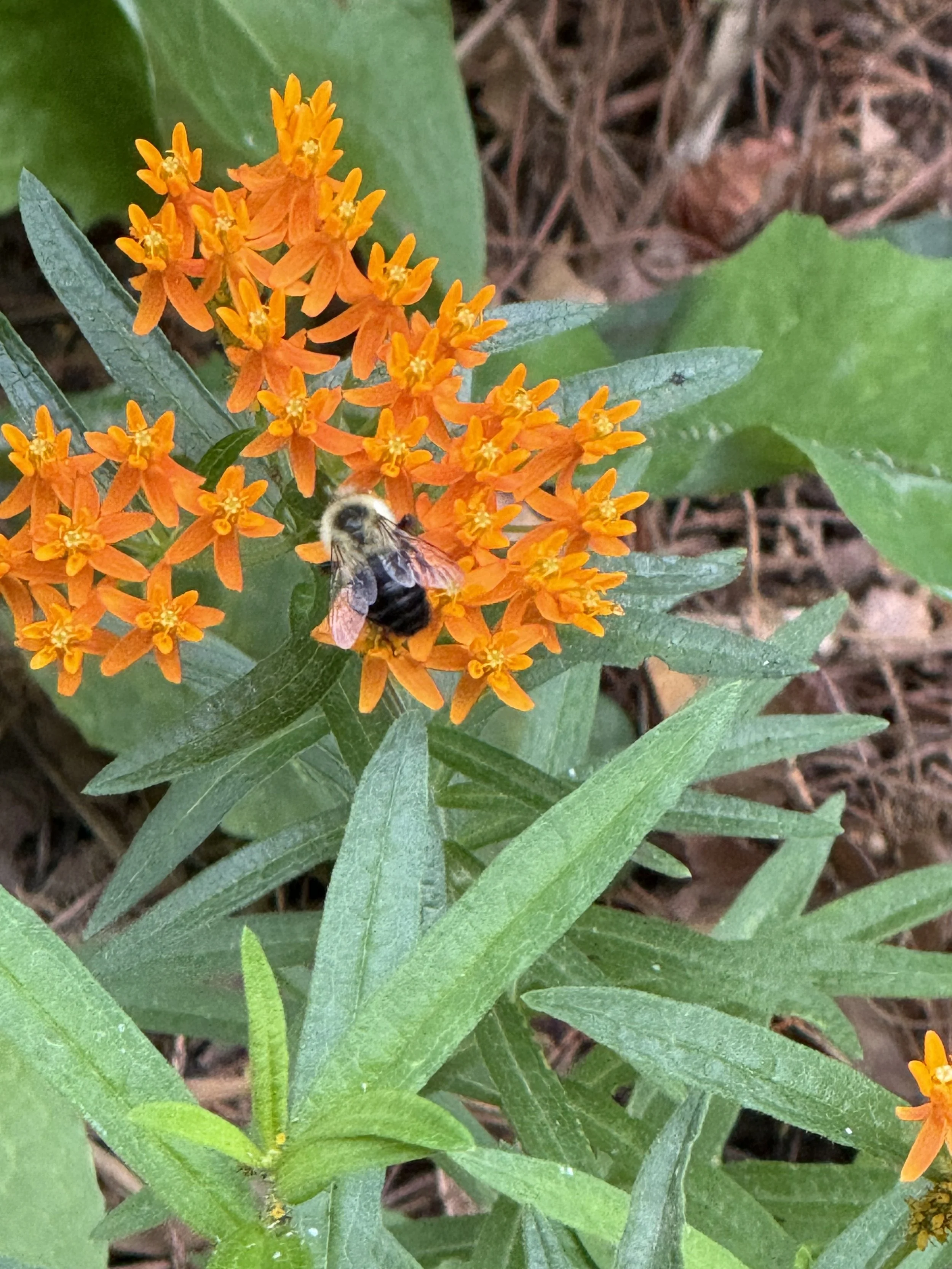
Our Services
Pollinator Habitat Evaluation
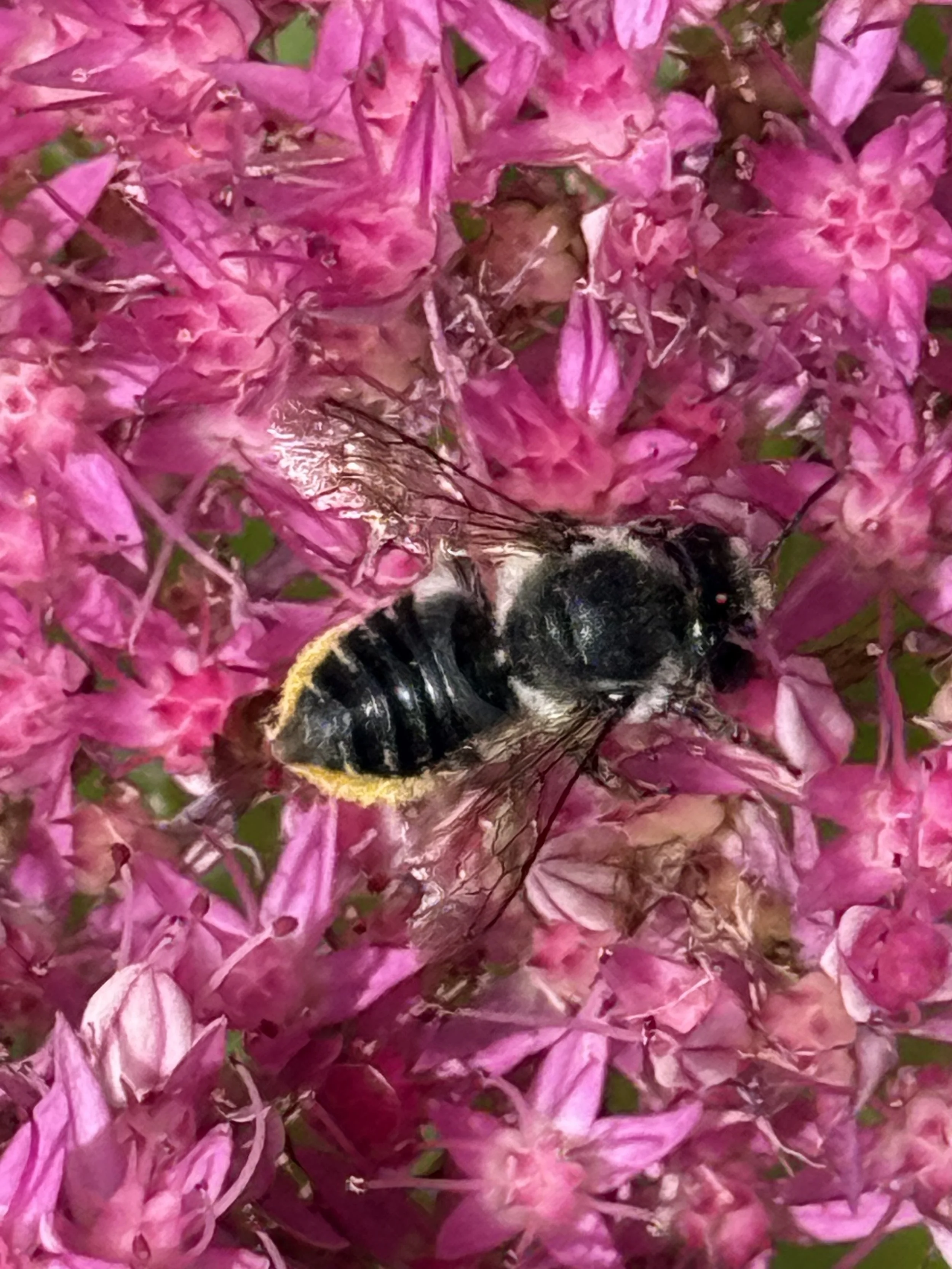
Is your garden attracting pollinators?
The presence of pollinators in your garden is a sign of a healthy ecosystem. As we invite more of these small helpers in, they support plant reproduction and natural regeneration.
Over time, this creates a self-sustaining cycle--more plants grow, which in turn support more pollinators and wildlife. Everything begins to work together in harmony, helping your landscape become balanced, resilient, and full of life.
The first step in understanding your garden is our Pollinator Habitat Evaluation. We’ll identify where your space is already supporting pollinators, and where it can be strengthened to restore balance.
Reach out, and we’ll help you understand your landscape and the living community it supports.
Garden Maintenance
Let Us Care for Your Plants and Pollinators
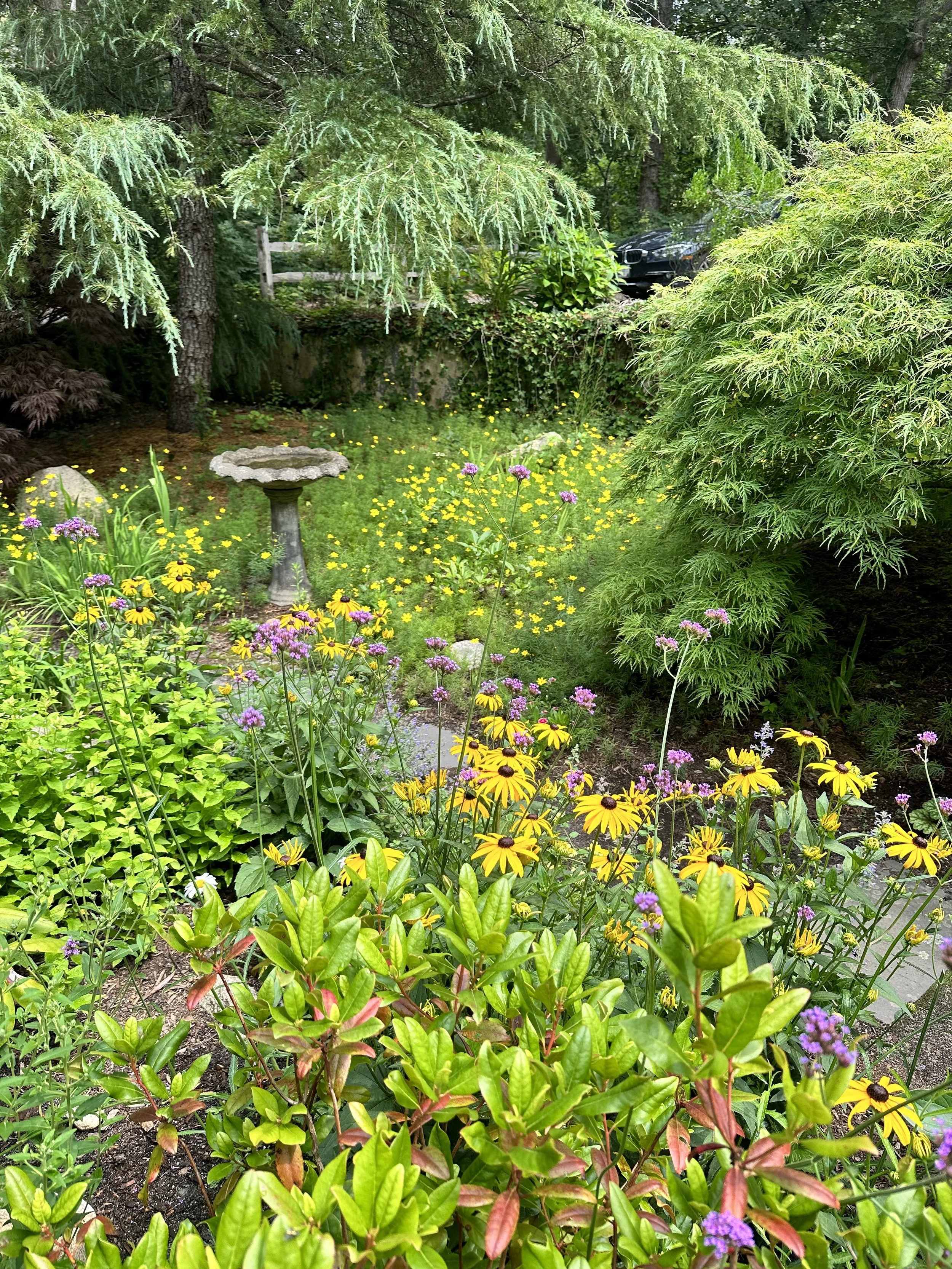
Our garden maintenance practices are guided by what your plants truly need, with the goal of reducing maintenance over time. By minimizing fertilizers and eliminating pesticides, we allow gardens to find their natural balance.
As plants grow stronger and more resilient, they begin to support a thriving ecosystem--providing safe harbor for pollinators and other wildlife.
Seasonal Care
Spring
We prune shrubs, cut back perennials, apply organic fertilizers, and manage invasive species. We also explore the use of living mulch as a natural alternative to purchased mulch.
Summer
We water as needed, continue removing invasive species, and manage ornamental plants to prevent their spread into native areas.
Fall
We leave perennials and fallen leaves as much as possible, creating essential habitat for insects and other wildlife through the colder months.
Incorporating Natives into your Garden
Restore your landscape with native plants
Plants that already grow and propagate in your area without human intervention are meant to live in your garden. They are perfectly suited to thrive with little care, having evolved in partnership with the climate, soil, and wildlife of your landscape.
Together with the insects, fungi, birds, and other life they support, these plants create a living community--one that defines the unique beauty and character of your surroundings.
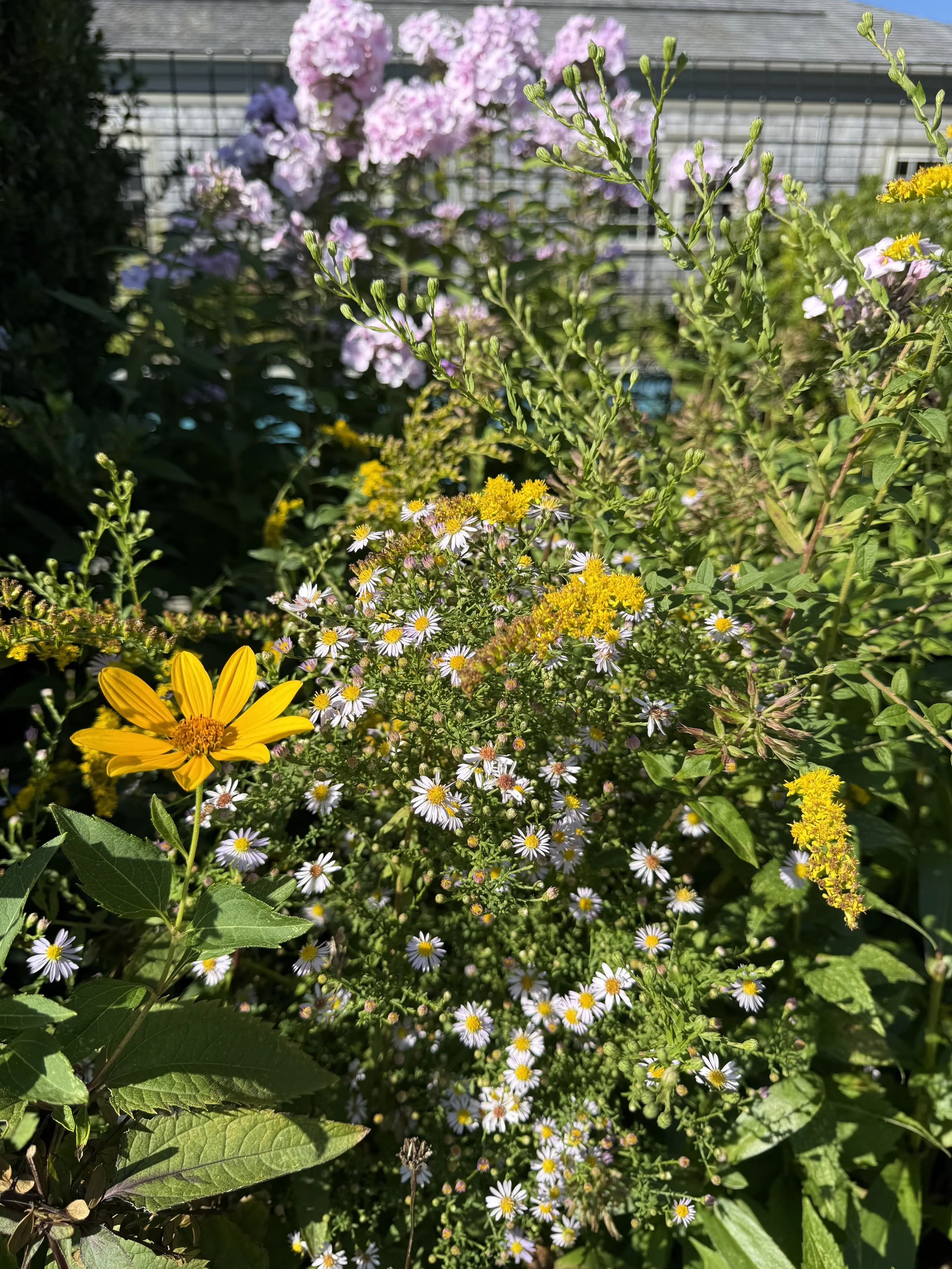
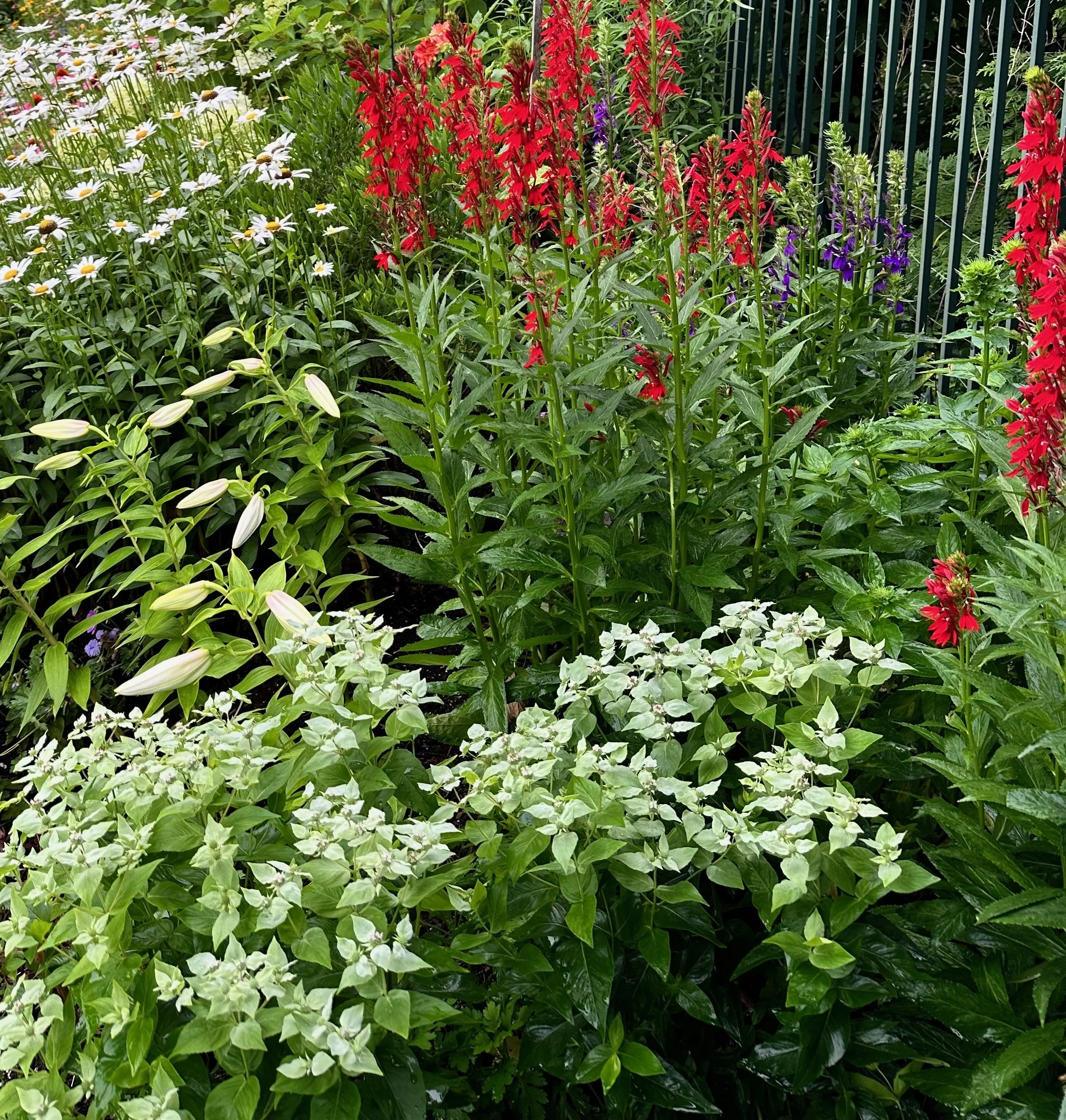
The photo above shows goldenrod and aster returning to a garden of ornamental plants, including false sunflower and phlox. By stepping back from over-weeding, these native plants were able to re-establish themselves--adding interest, beauty, and most importantly, a valuable floral resource for pollinators.
Pollinator Garden Installation
If you build it, they will come
Planting a dedicated pollinator garden will bring butterflies, hummingbirds, moths, and bees into your yard. Just as flowers are beauty in form, a monarch sipping nectar or a hummingbird flitting from plant to plant becomes beauty in motion. They add melody to the symphony of living things to enjoy as you spend time in your landscape.
By thoughtfully blending ornamental plants with native species, we create gardens that feel both cultivated and alive--where beauty and ecology exist in harmony. Native plants, having evolved alongside local wildlife, provide the food, shelter, and relationships pollinators depend on throughout their life cycles, while ornamentals add structure, familiarity, and extended visual interest.
Together, this balance creates a garden that not only attracts pollinators, but truly supports them--a place where they can rest, refuel, and move through the landscape as part of a thriving ecosystem.
Let us plant a pollinator garden for you.
Plants Native to Martha’s Vineyard
These photos highlight a small selection of plants native to Martha’s Vineyard. They are well-suited for planting in drifts within existing gardens or for creating entirely native landscapes--from trees and shrubs to ground cover.
Most importantly, preserving existing native areas on your property is essential. If parts of your landscape have been brush-cut or overtaken by invasive species and you’re interested in restoring them, we can work together to bring that habitat back to life.
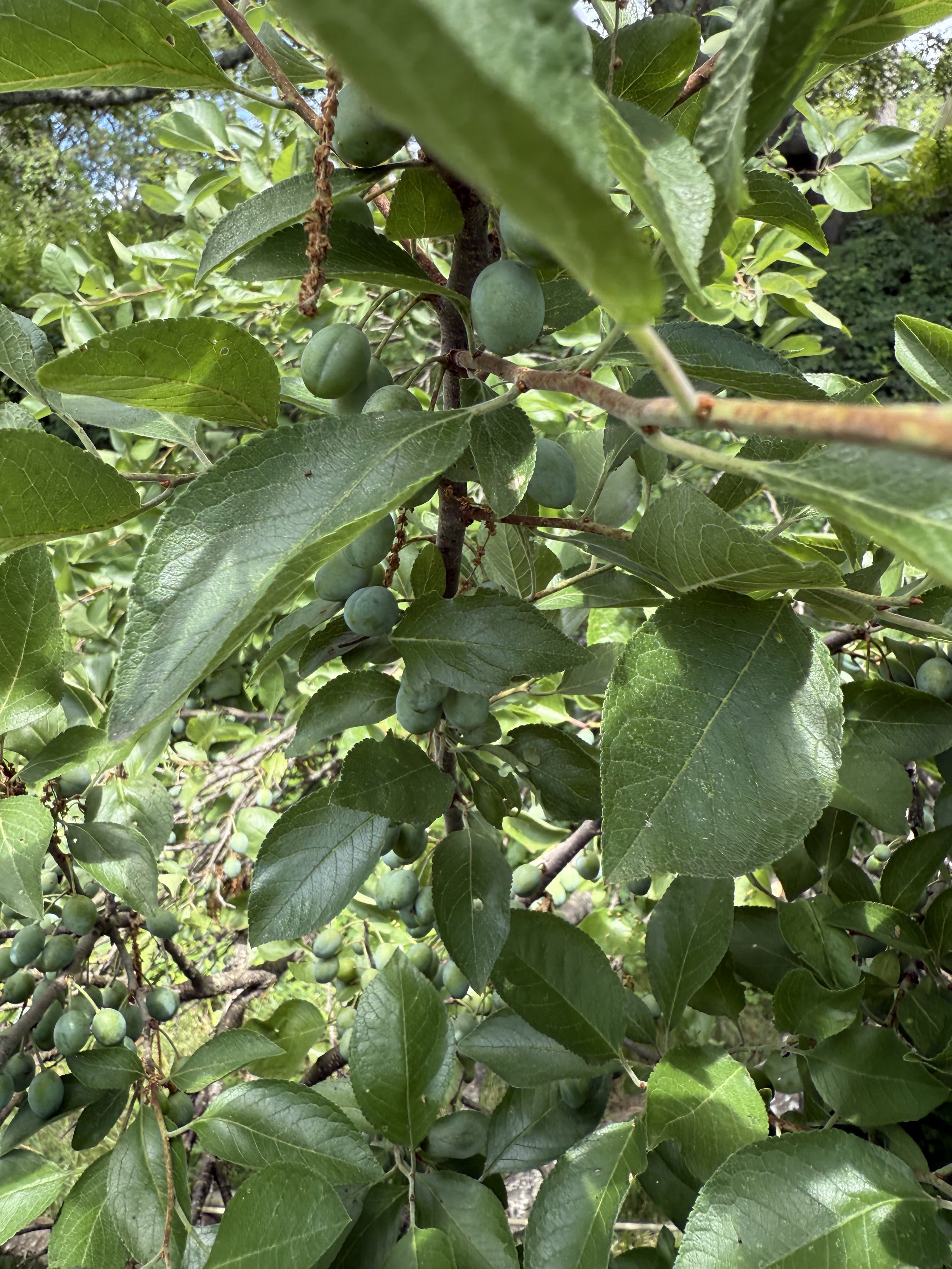
Beach Plum
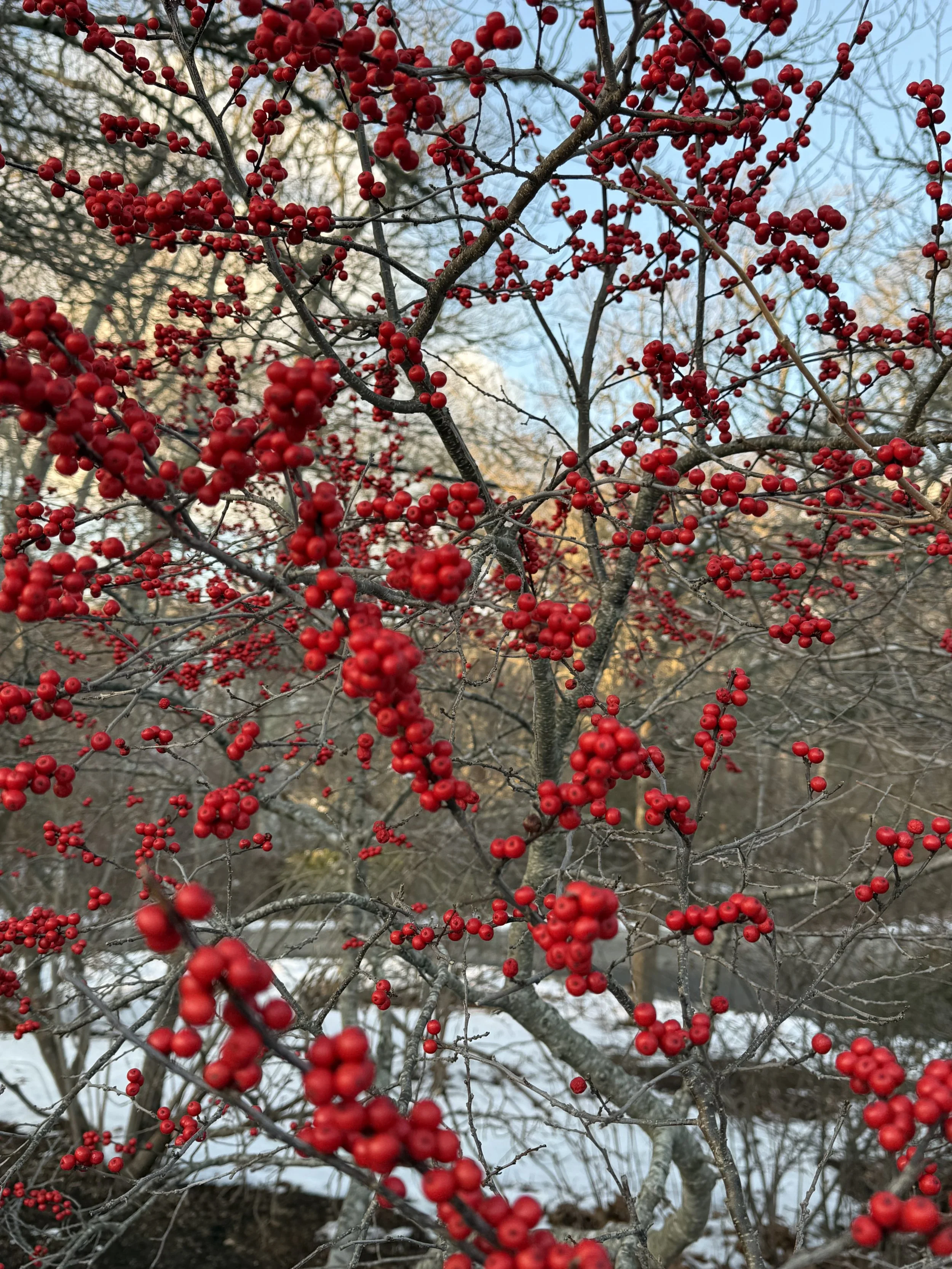
Winterberry
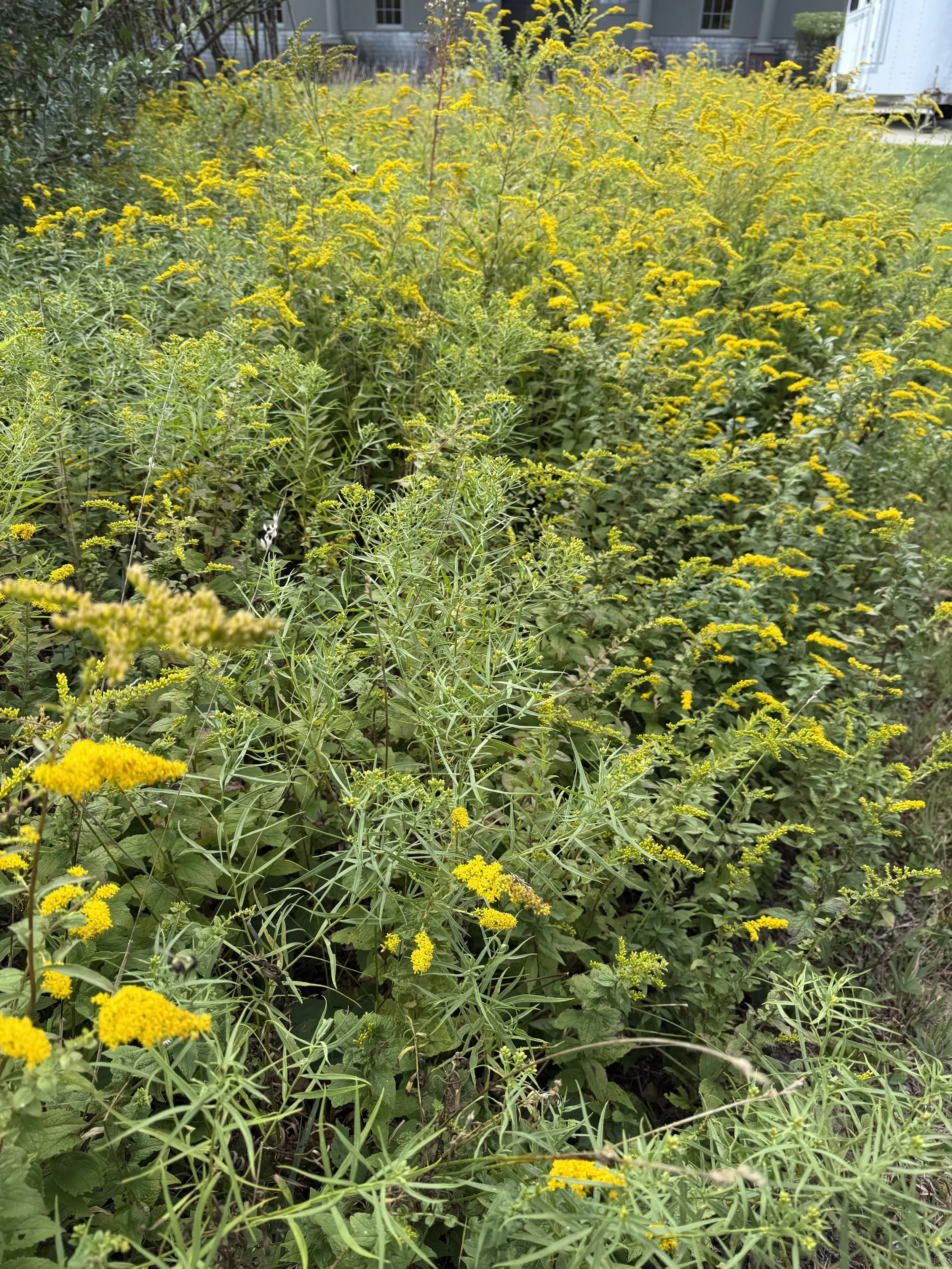
Goldenrod species
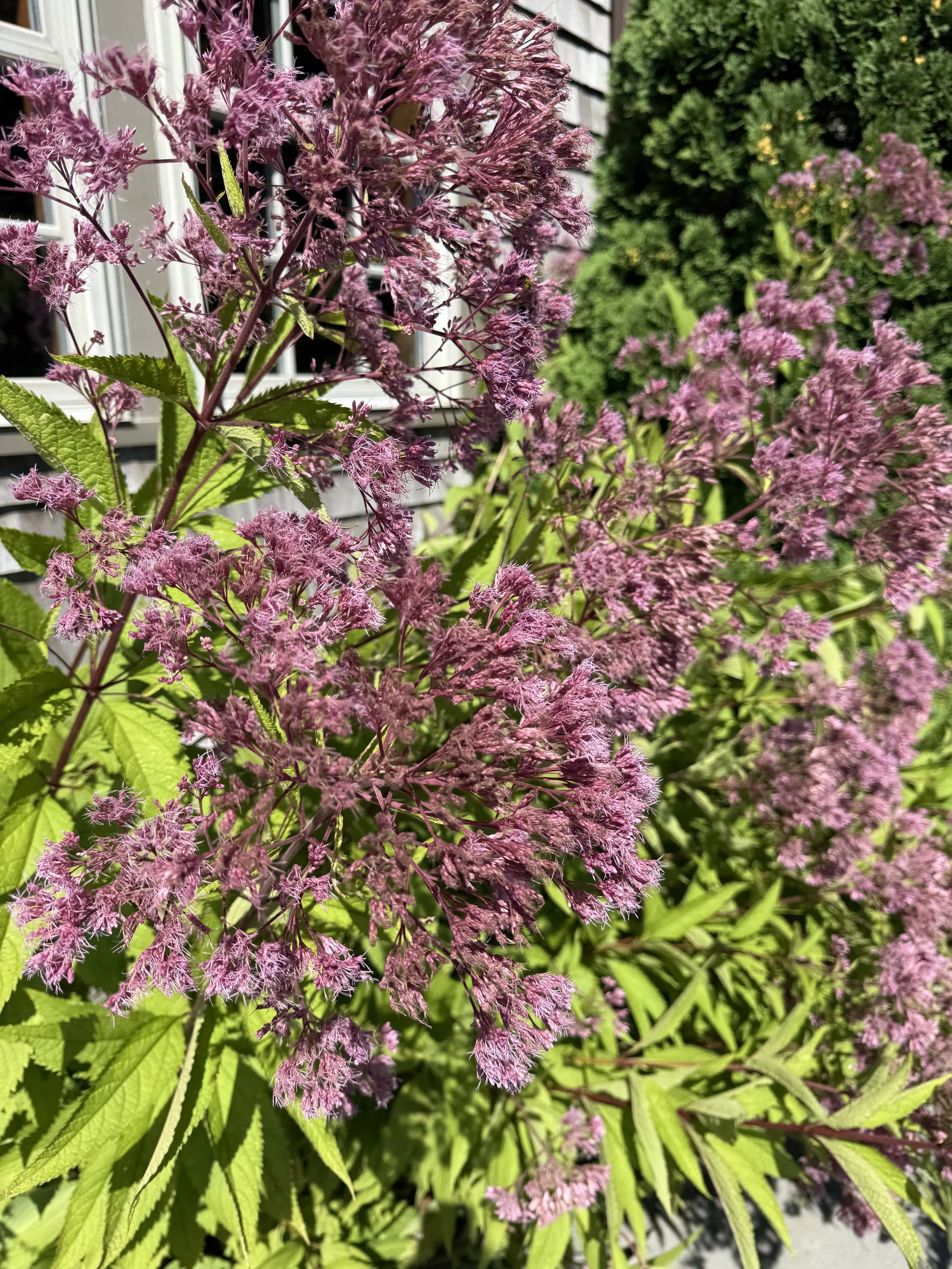
Joe-pye weed
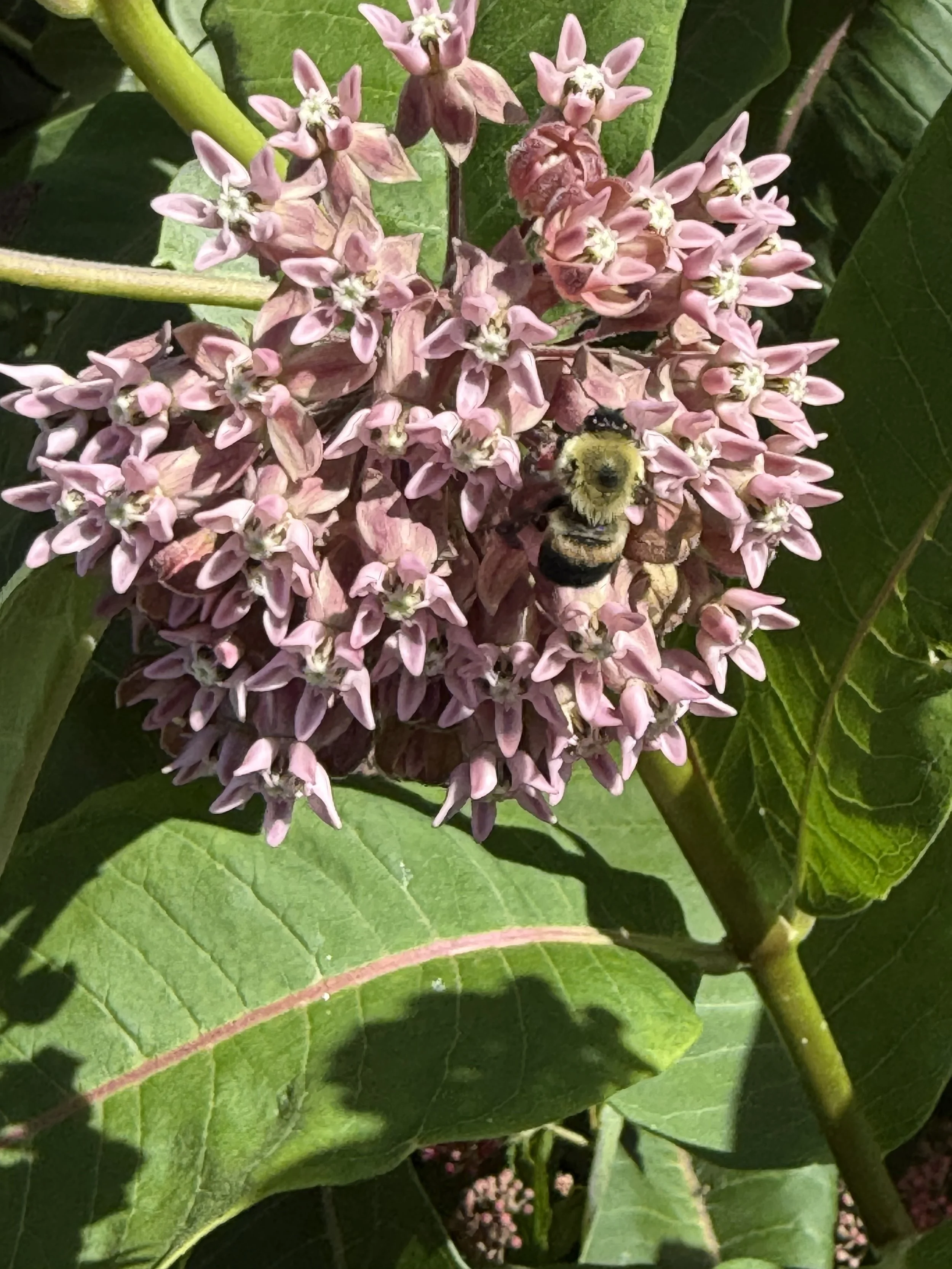
Common milkweed
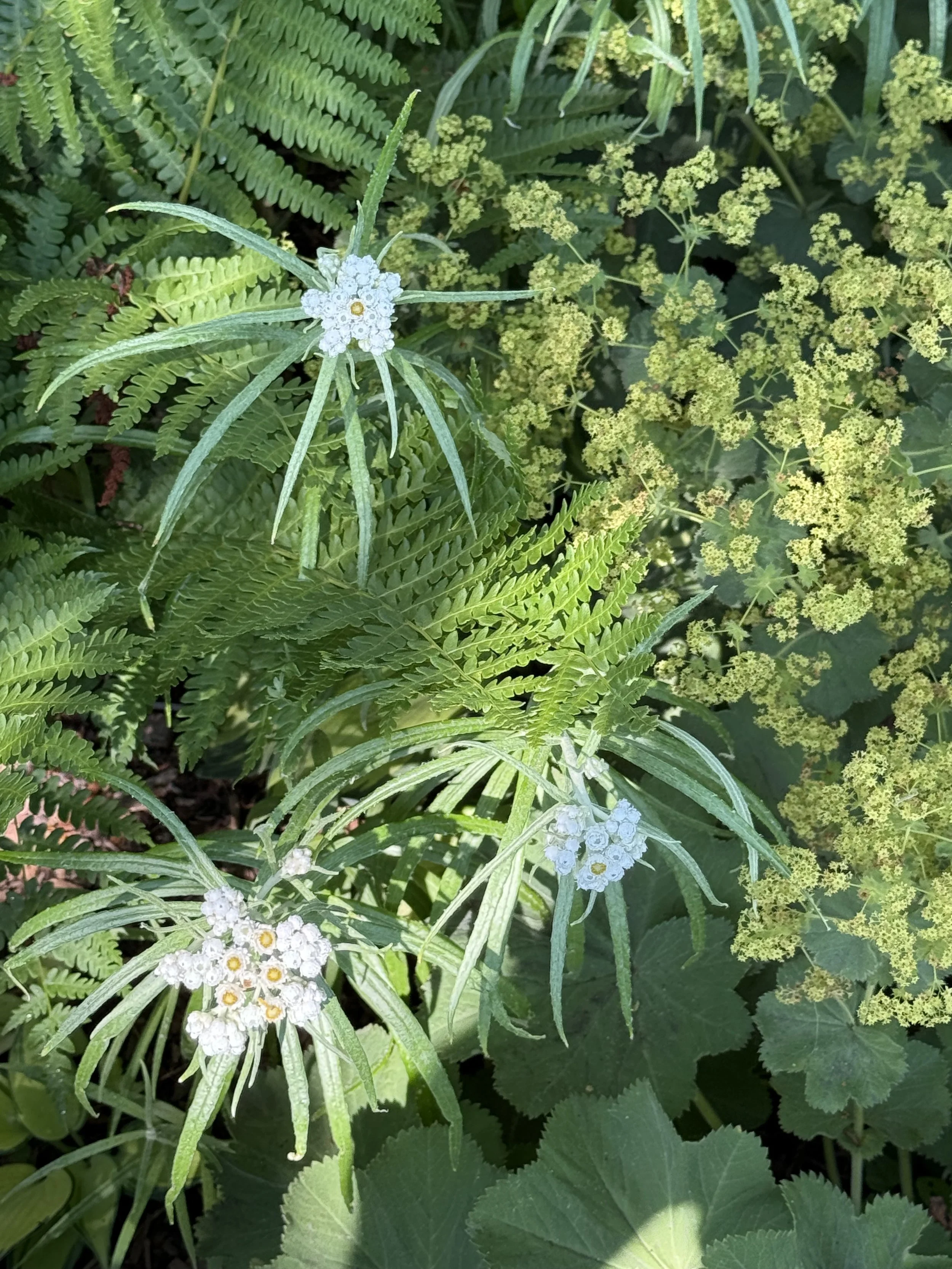
Pearly everlasting
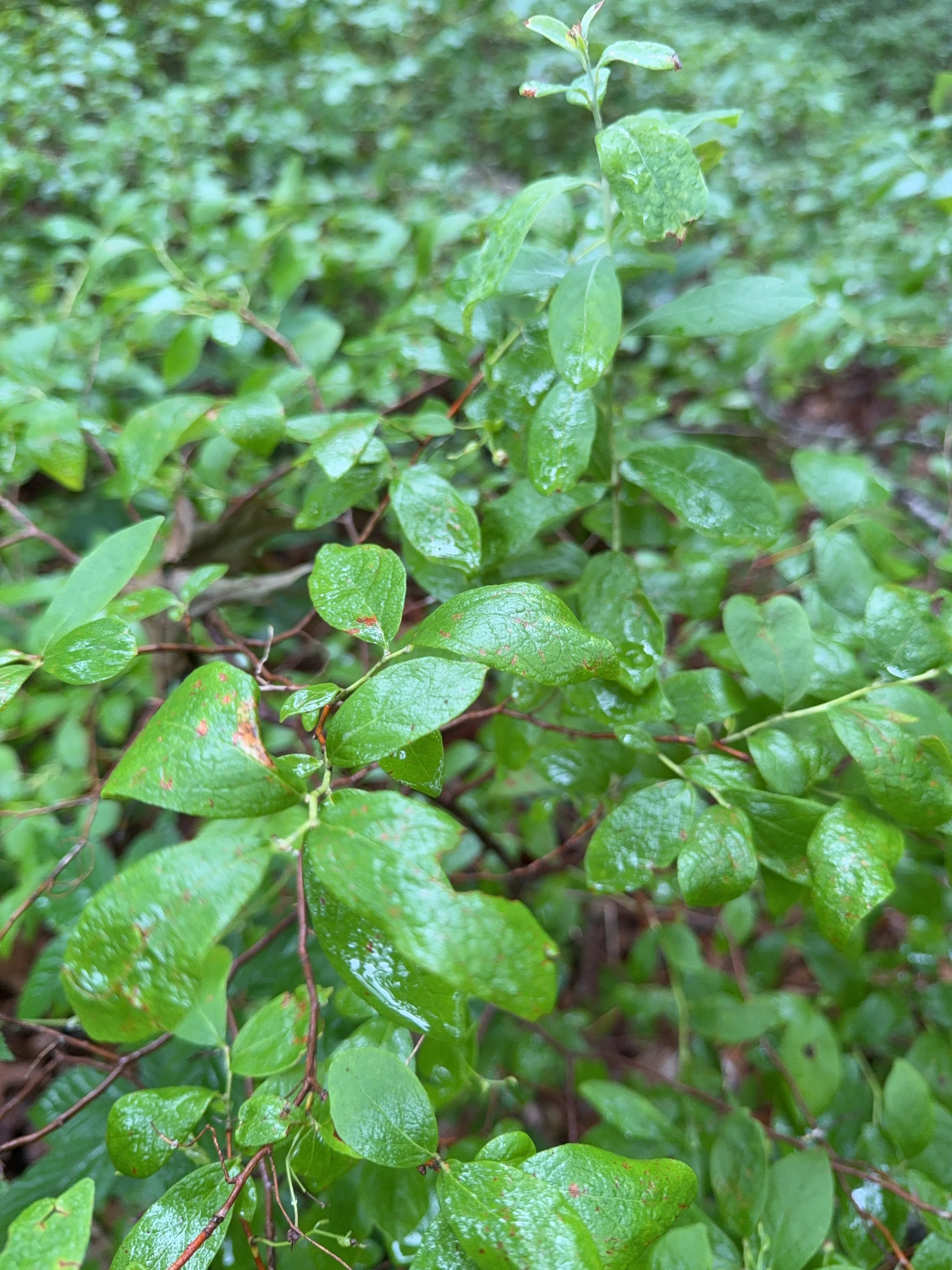
Lowbush blueberry
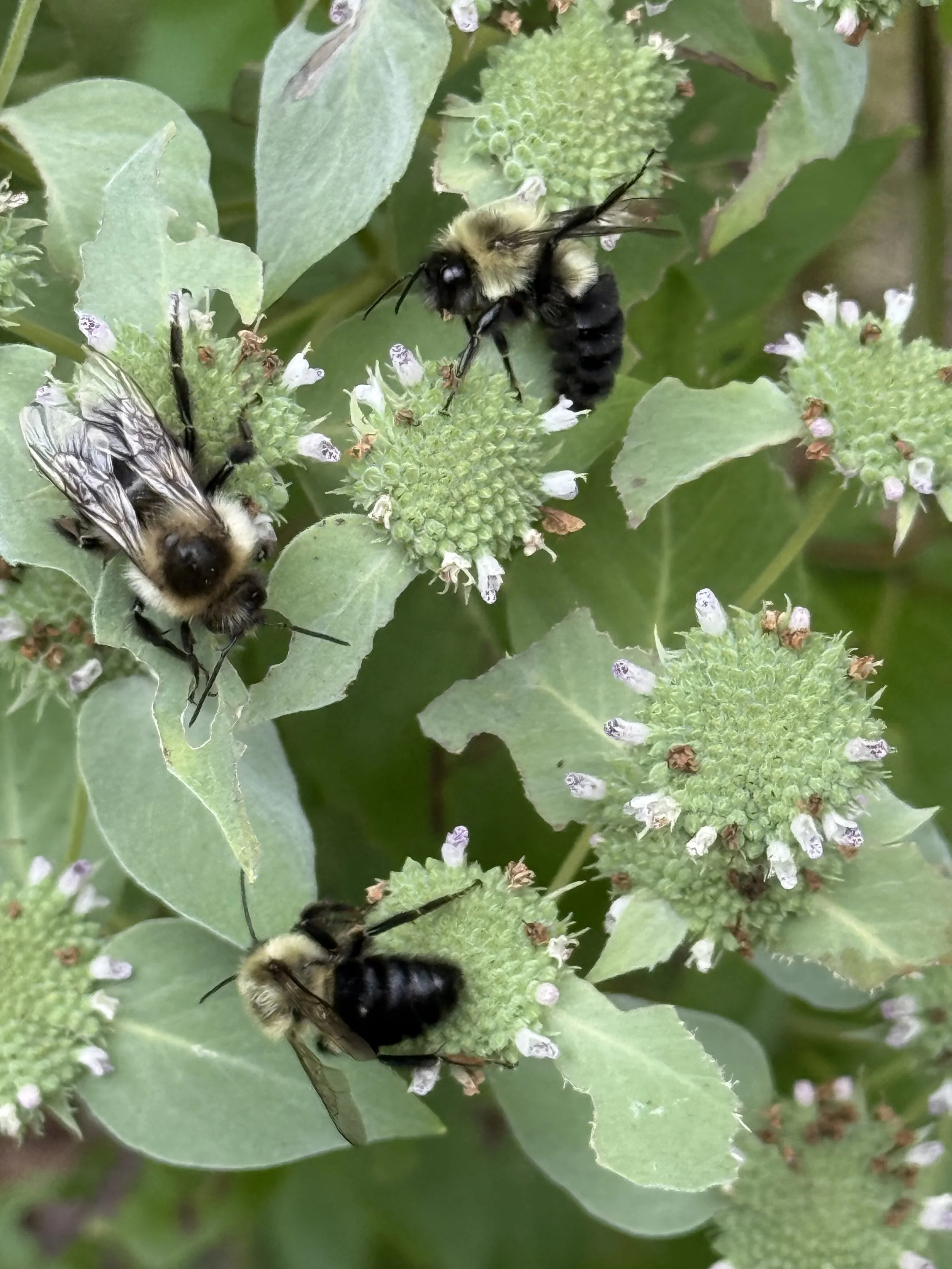
Mountain Mint
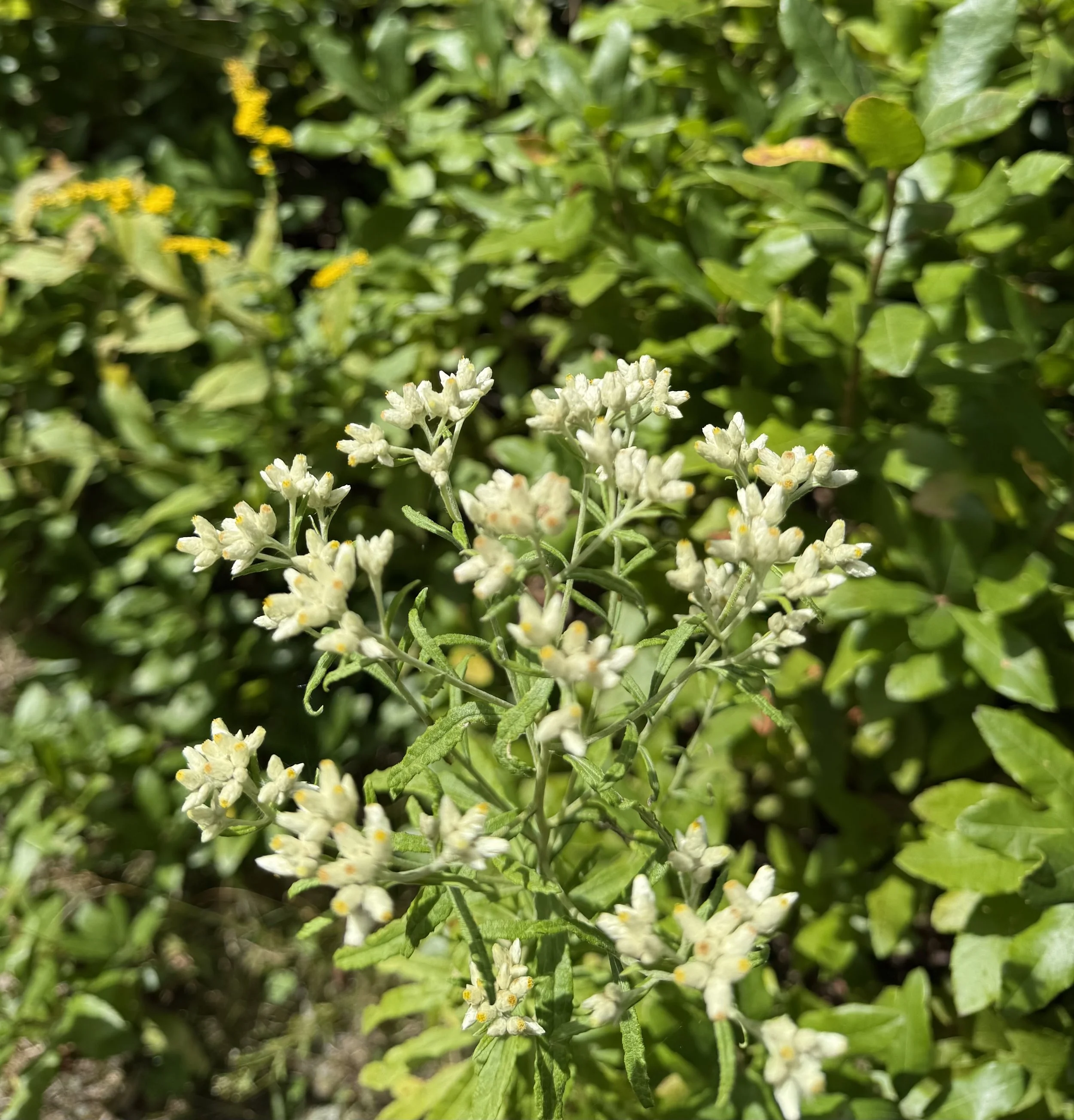
Sweet Everlasting
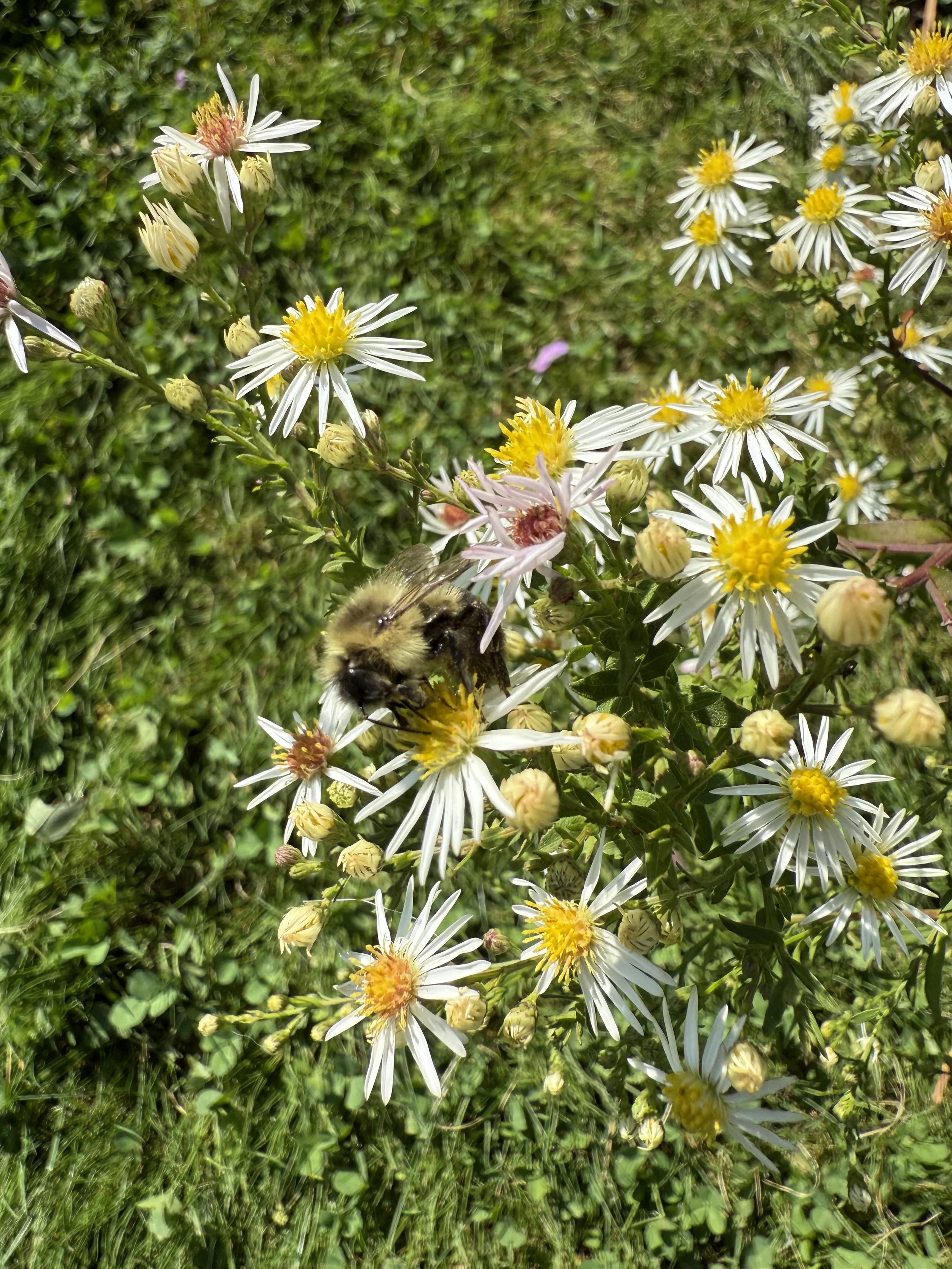
Panicled Aster
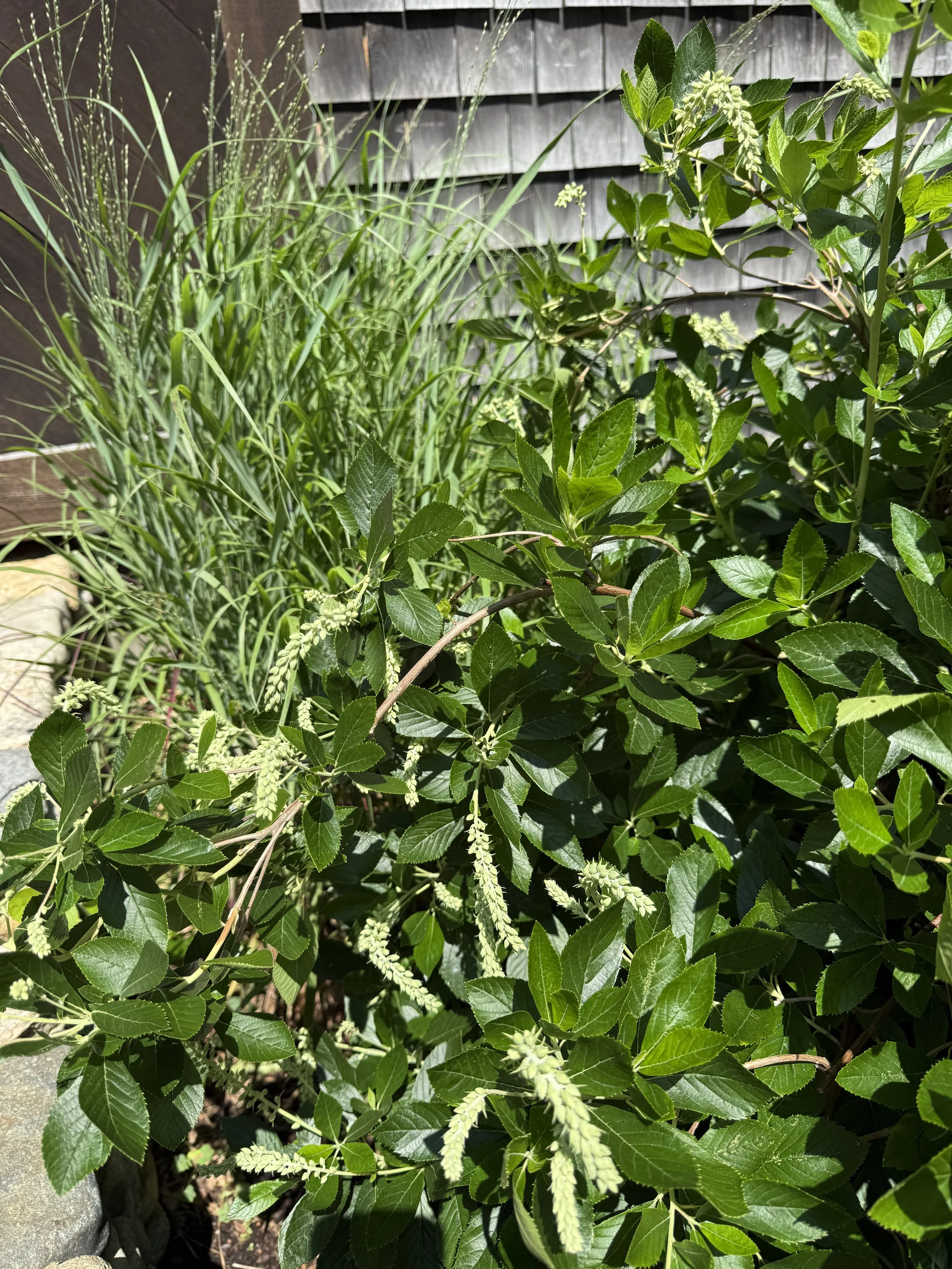
Sweet pepperbush and Switchgrass
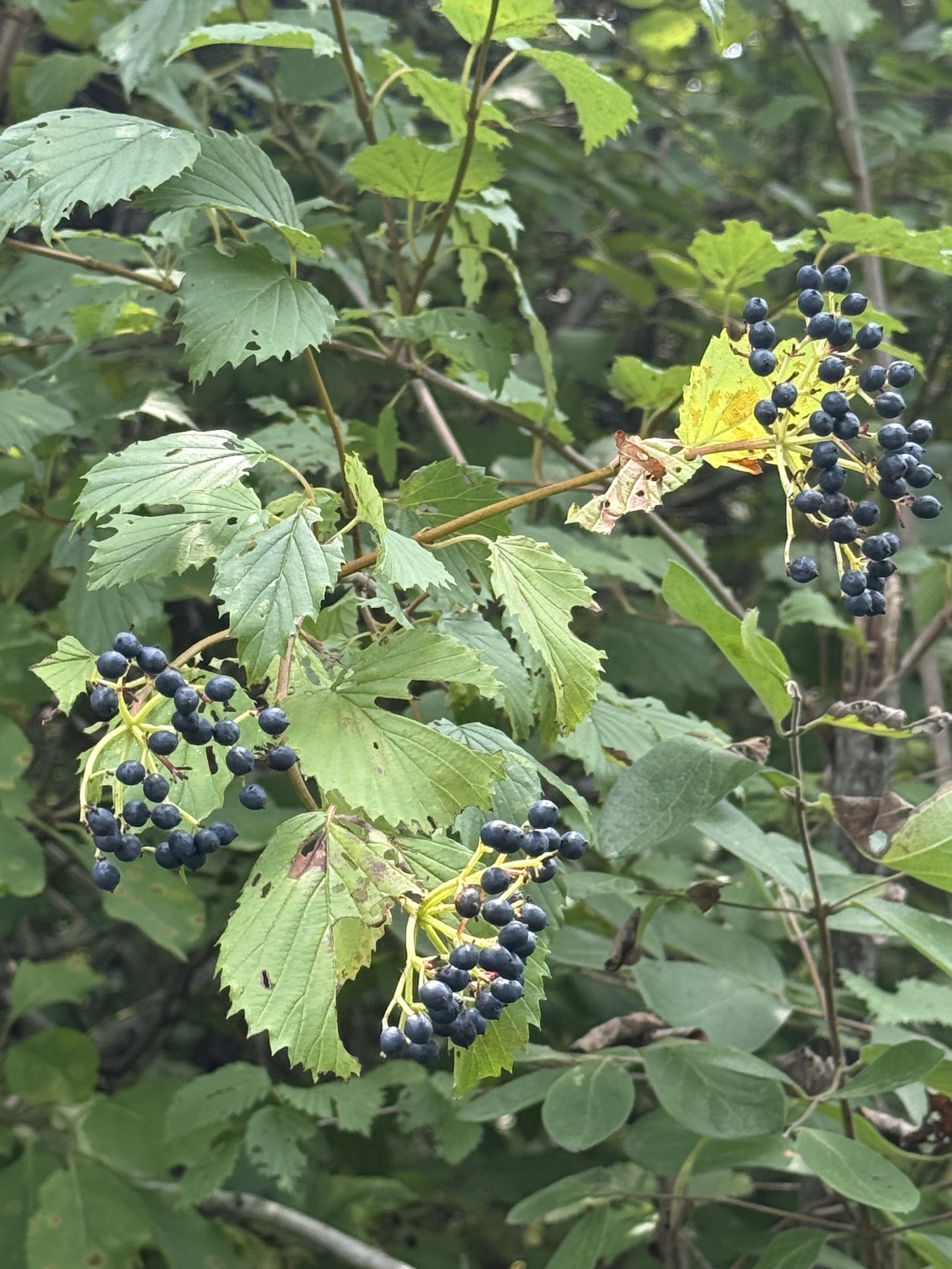
Arrowwood viburnum
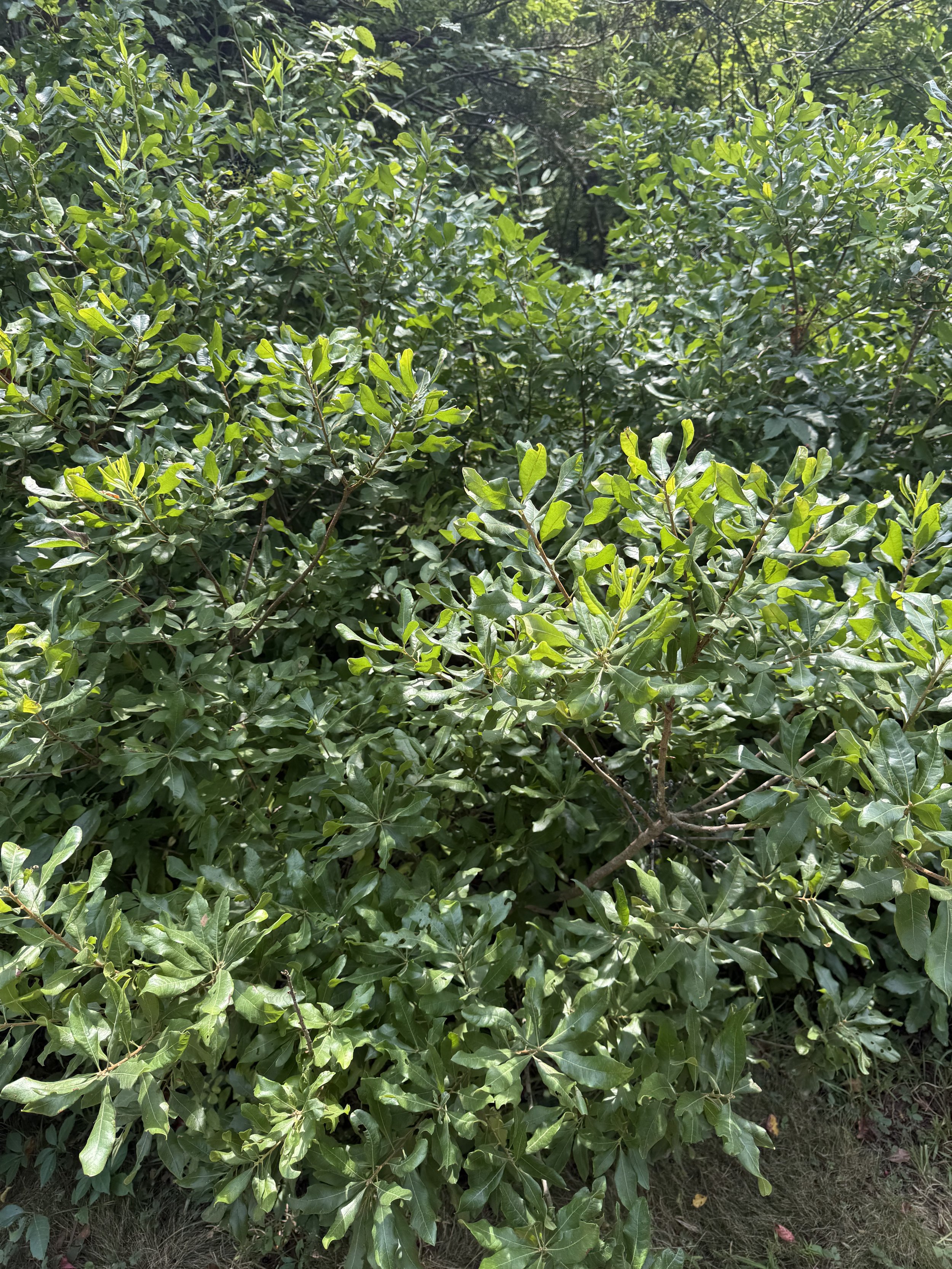
Bayberry
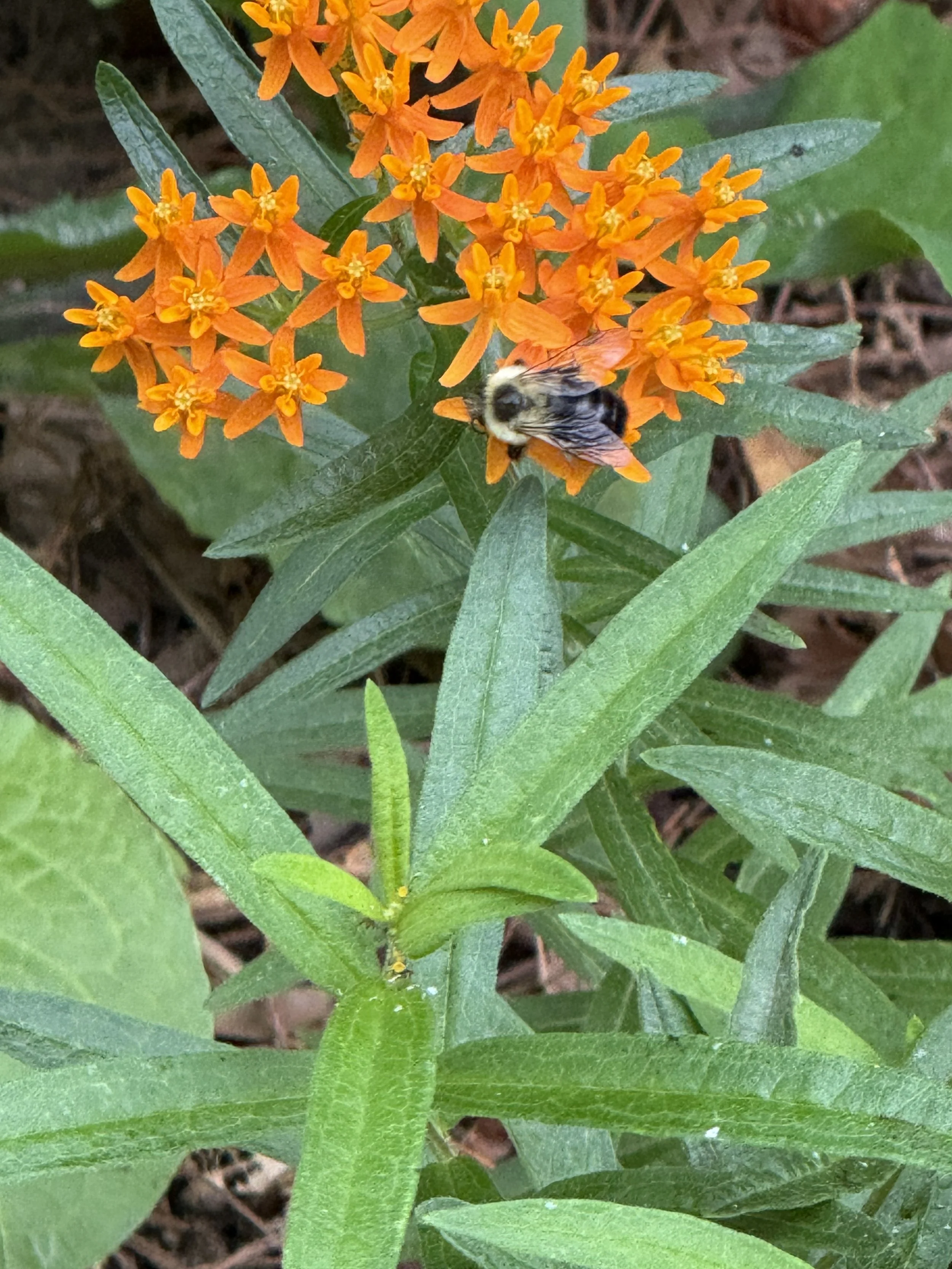
Butterfly milkweed
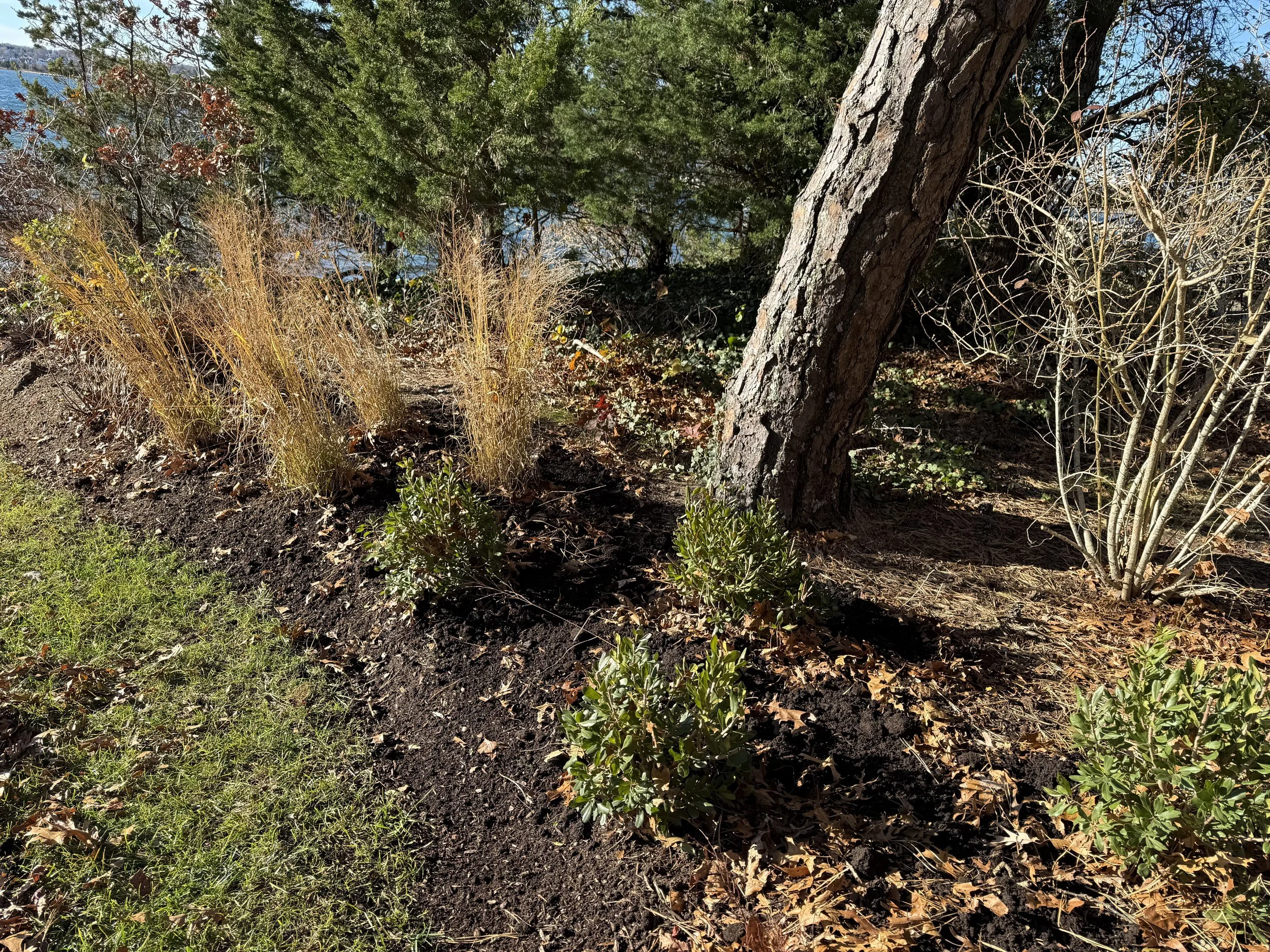
Switchgrass and Bayberry
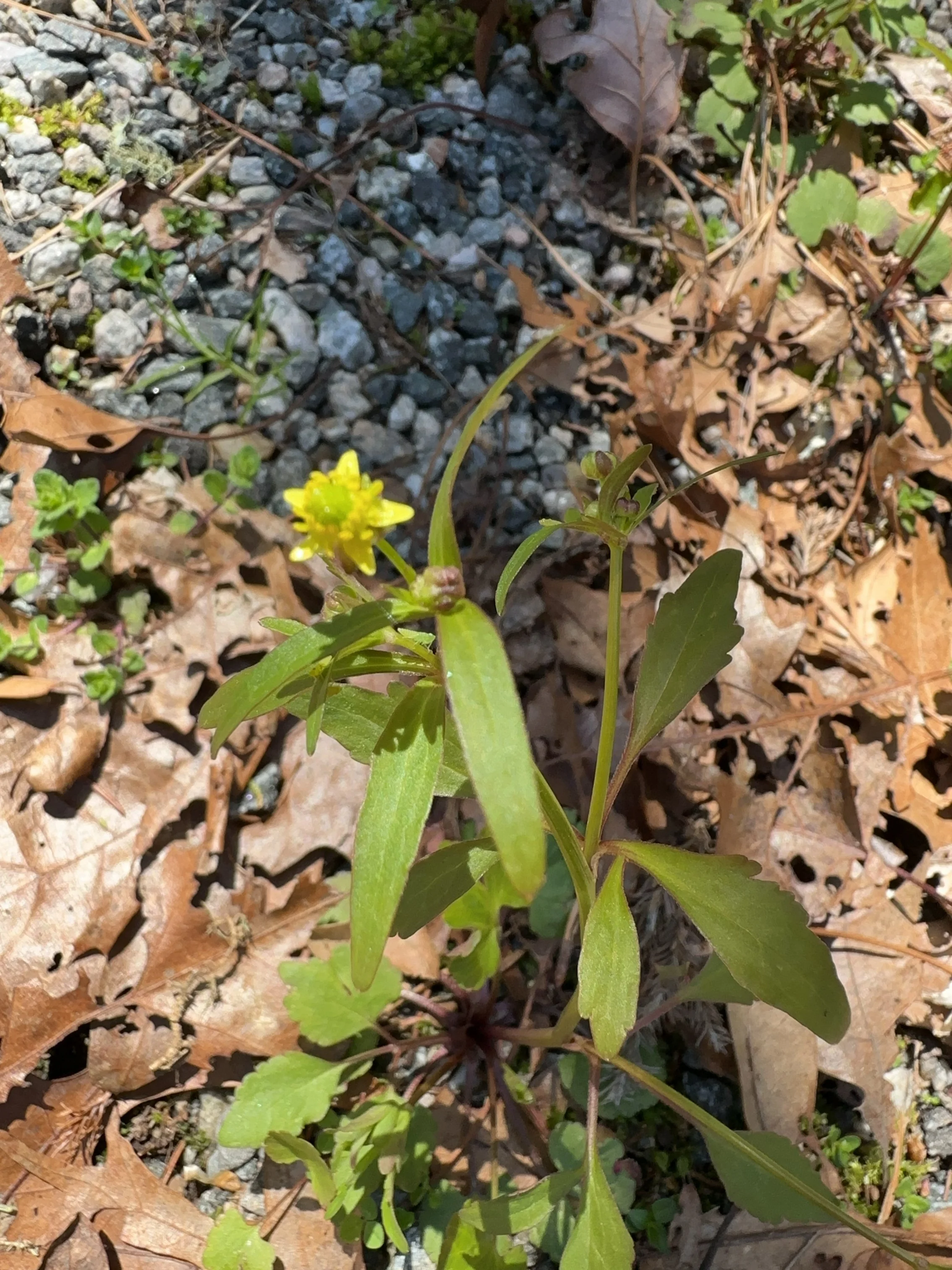
Smallflower buttercup
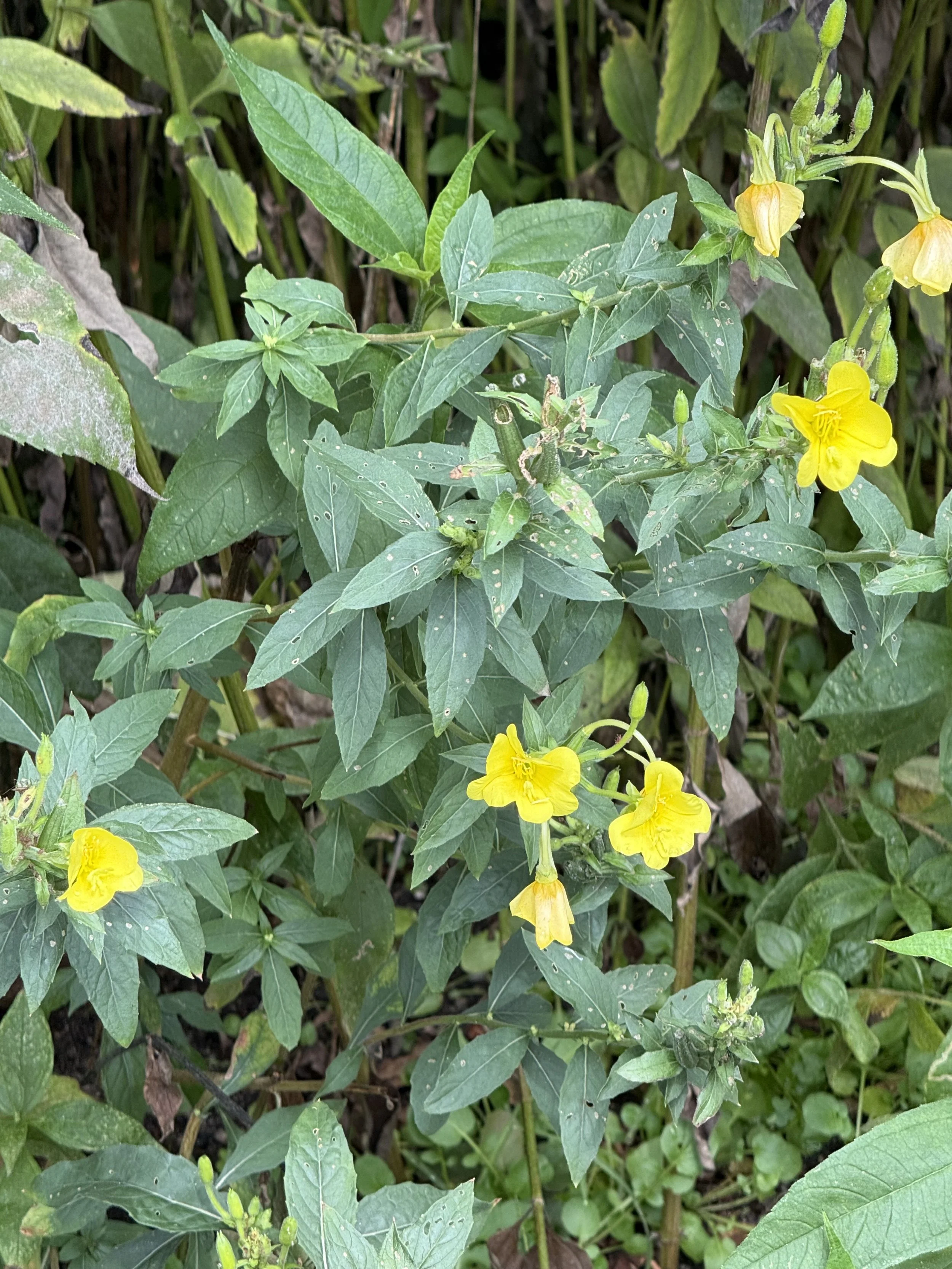
Evening primrose
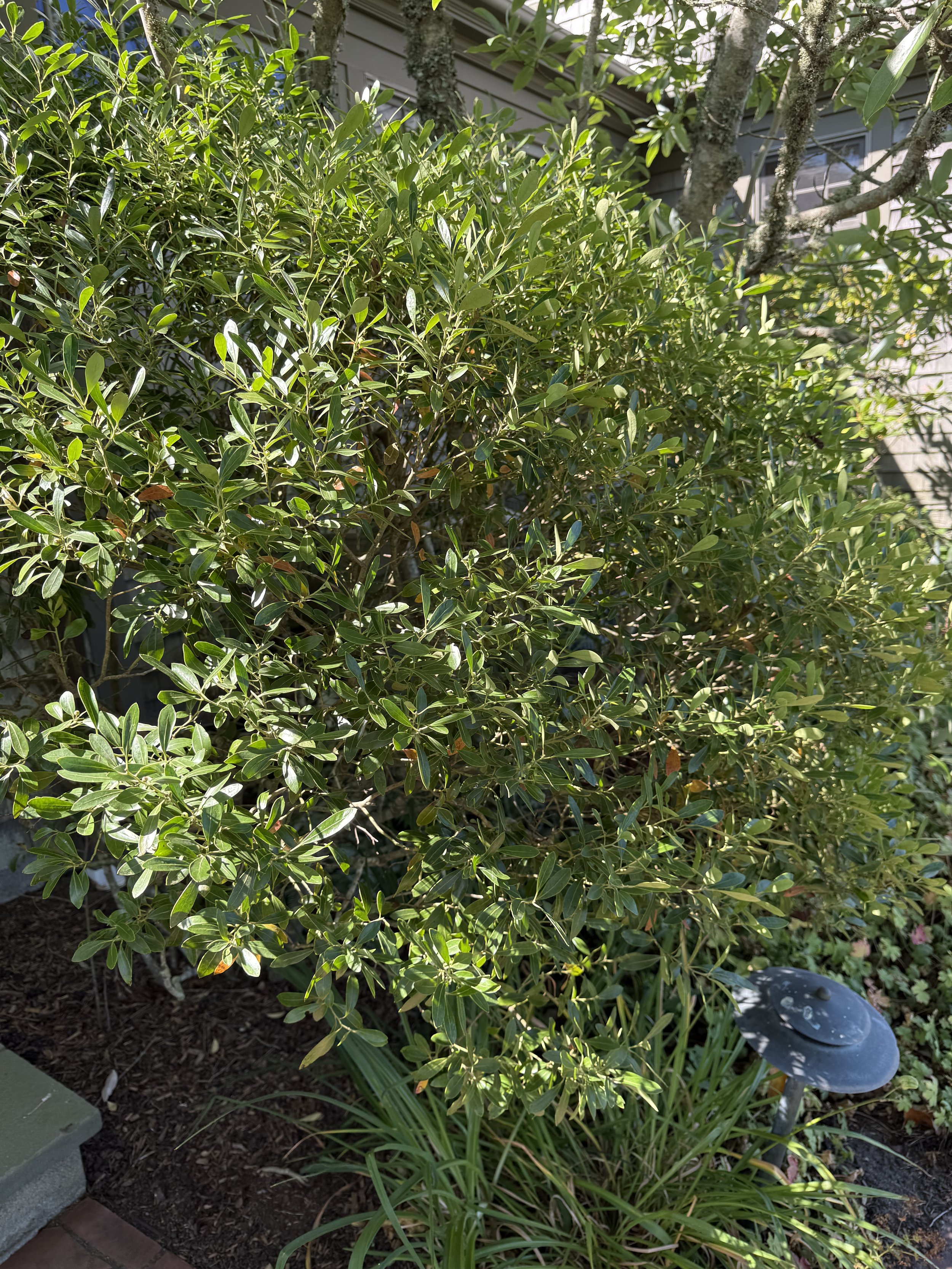
Inkberry
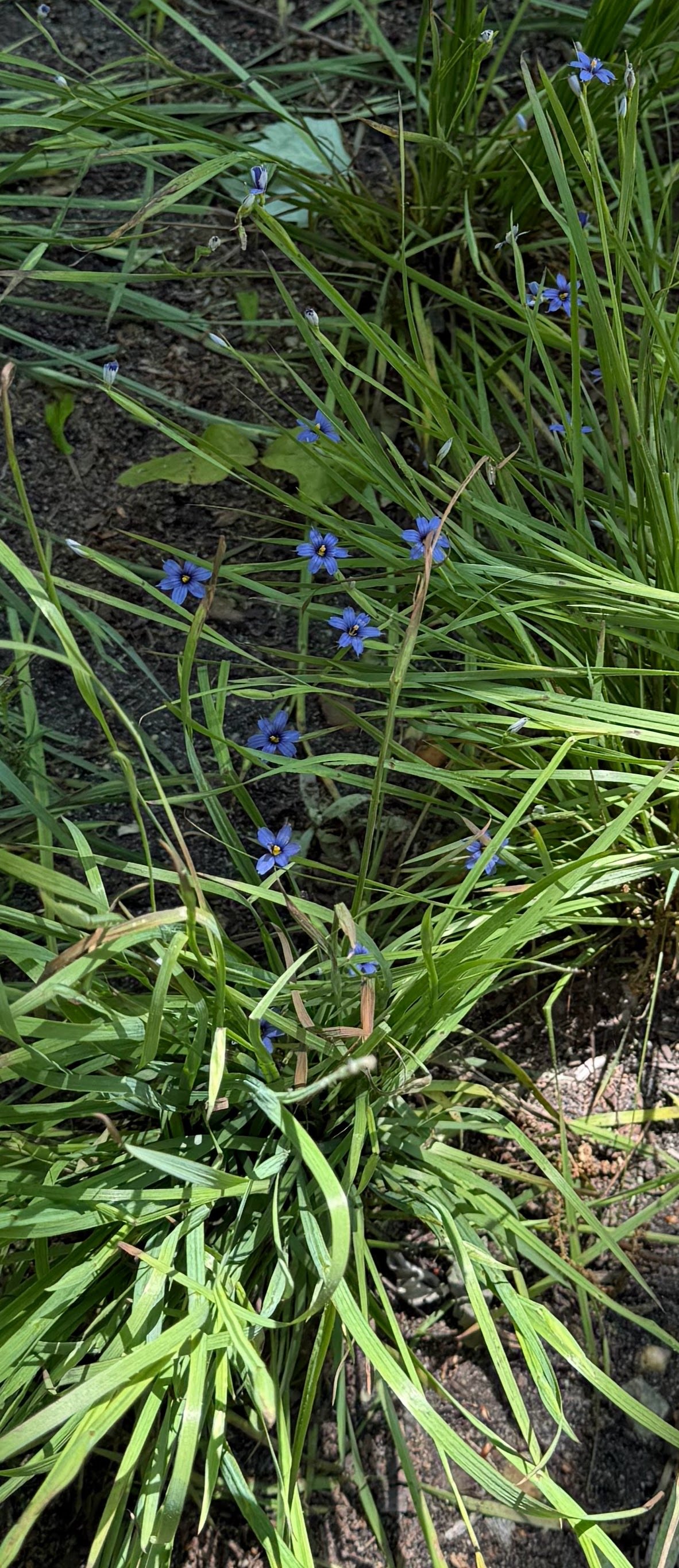
Blue-eyed grass
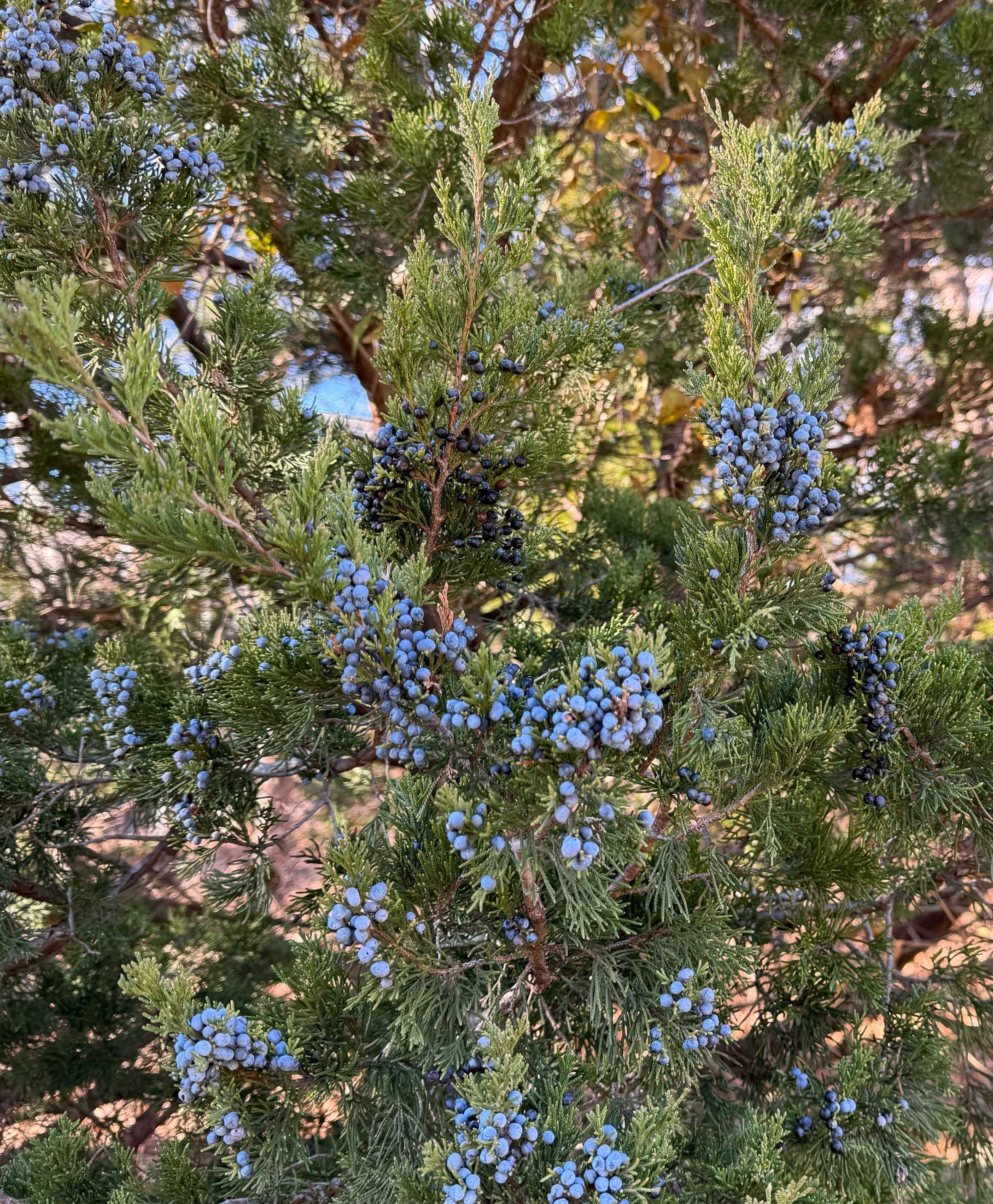
Eastern Red cedar
The Wild Harmony Approach
Wild Harmony Gardens is based on a simple idea:
Gardens can be both beautiful and alive.
By blending thoughtful design with native plants, landscapes become places where pollinators thrive and people reconnect with nature.
Even small gardens can make a profound difference.
Nature is ready to return if we make space for it.